

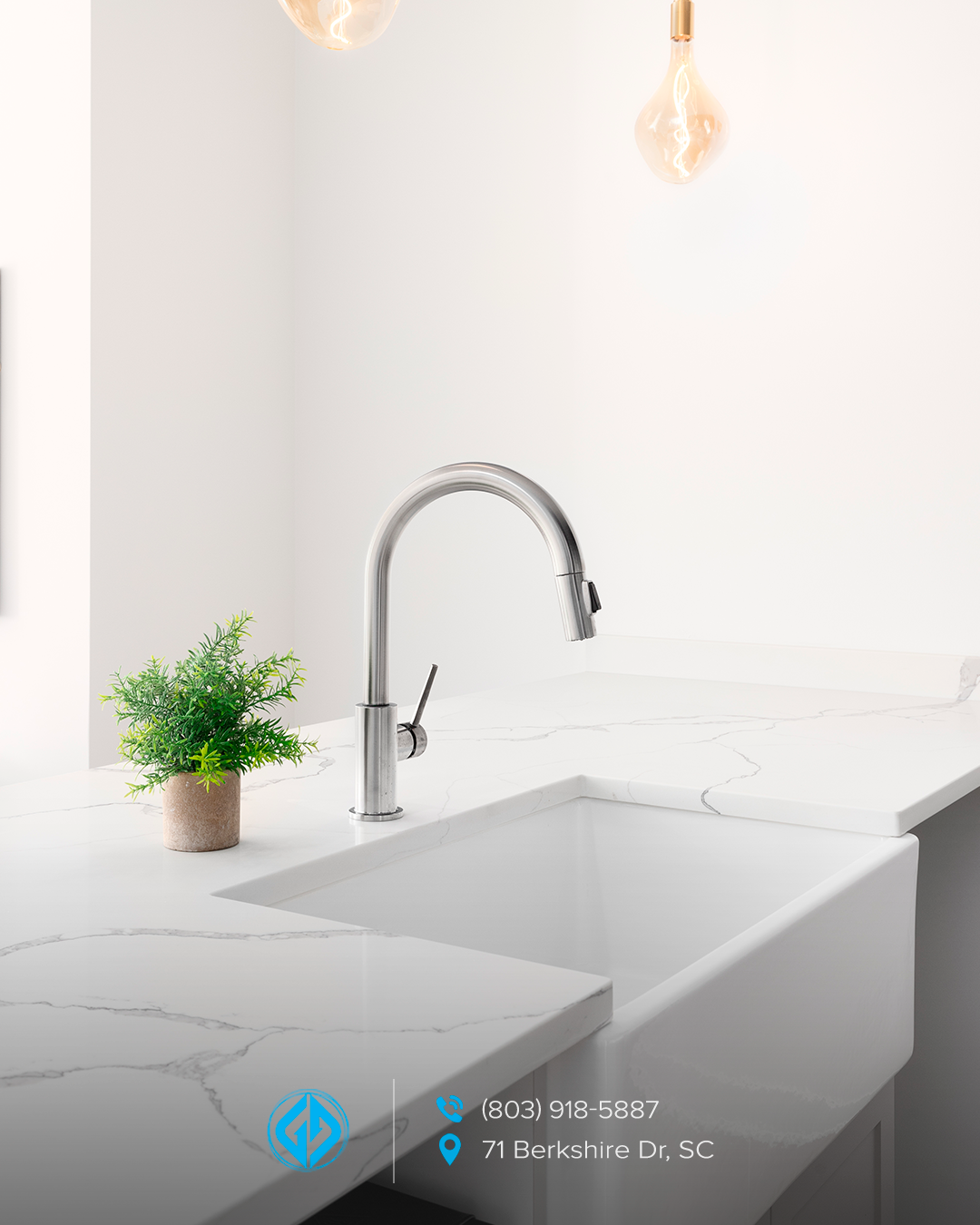
Homeowners today often stand at a crossroads when selecting the perfect stone surface for their kitchen—two of the most popular choices being quartz and marble. At first glance, these stones might seem similar. Both appear elegant, luxurious, and capable of turning a kitchen into a stunning design masterpiece. But once you dig deeper, the differences become significant. These materials vary not only in appearance but in composition, performance, long-term durability, and care requirements. Understanding these contrasts is essential for making an educated investment that will serve your home well for many years.
Marble, a naturally occurring metamorphic rock formed over millions of years, is prized for its organic veining patterns and soft, luminous surface. It’s often associated with high-end interiors and timeless European-inspired design. Quartz, on the other hand, is engineered stone created by combining crushed natural quartz crystals with resins and pigments. Because of this, quartz offers greater uniformity, predictable color, and improved resilience—all features that appeal strongly to modern homeowners who prefer consistency and low maintenance.
For many families in South Carolina, especially those designing luxurious kitchens, it’s natural to compare these materials side by side. And if you’re in search of marble kitchen countertops in North Augusta, SC, exploring how they differ from quartz is key to choosing the right match for lifestyle, usage patterns, and long-term expectations. Granite Depot of Columbia helps homeowners make this decision every day by explaining not only the beauty of each material but how these subtle distinctions impact real-world daily use.

How Do Quartz and Marble Compare in Durability and Longevity?
Durability is often the number-one concern for homeowners, especially those who cook frequently or live in busy households. While both quartz and marble can last for decades, they perform quite differently in high-traffic settings. Marble is softer and more porous, making it vulnerable to scratches, stains, and etching from acidic substances like lemon juice, vinegar, wine, and certain cleaners. Even water left to sit on marble for long periods can cause dulling or discoloration. This doesn’t mean marble is fragile—it simply means marble requires respect, care, and consistent maintenance.
Quartz, however, is engineered to handle rigorous everyday use. Because it contains resin and is not naturally porous, quartz resists staining and does not etch when exposed to acids. It also performs better against scratches and chips. This makes quartz an appealing choice for homeowners who want resilience without the stress of constant upkeep. While quartz is not completely heat-proof, it can withstand everyday kitchen activity without showing signs of wear.
For families comparing quartz with marble kitchen countertops in North Augusta, SC, durability is often the deciding factor. Marble brings unmatched elegance but requires attention. Quartz offers practicality and longevity without sacrificing beauty. Granite Depot of Columbia guides customers through these nuances, making it easier to choose a countertop surface that aligns with how they use their kitchen—not just how they want it to look on installation day.
Do Quartz and Marble Offer Similar Aesthetic Qualities?
Marble has long been considered the pinnacle of classic luxury design. Its veining—formed naturally through mineral deposits—creates one-of-a-kind patterns that cannot be replicated by man-made materials. No two marble slabs are the same. This individuality is what gives marble its iconic status. Kitchens with marble surfaces radiate sophistication, making them ideal for those who value timeless appeal over modern predictability.
Quartz, however, shines in the world of uniformity and modern aesthetics. Because quartz is engineered, manufacturers can create slabs with consistent coloration, patterns, and finishes. This makes it ideal for homeowners who prefer a curated look without surprises. Quartz can also mimic the appearance of marble convincingly, offering soft veining and elegant tones without the maintenance challenges associated with natural stone.
When selecting between quartz and marble kitchen countertops, aesthetics often play as large a role as functionality. Marble tends to resonate with homeowners who appreciate nature’s artistic fingerprint, while quartz appeals to those who want something sleek, predictable, and perfect for contemporary spaces. Both stones elevate interiors beautifully, but they tell different visual stories. Understanding these stories is essential to choosing a countertop that complements the rest of your home’s design.
What Are the Maintenance Requirements for Quartz vs. Marble?
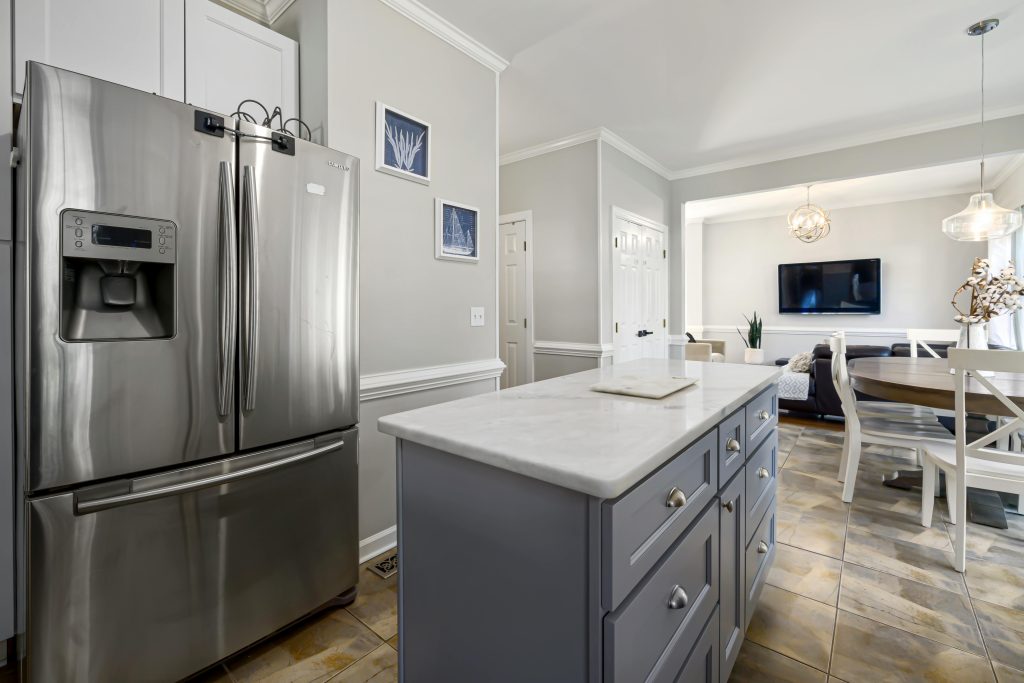
Maintenance is where the differences between marble and quartz become especially clear. Marble, being porous, needs sealing at least once a year to prevent liquids from penetrating the surface and causing stains or etching. Even with sealing, it is important to wipe spills immediately—especially acidic or colored liquids such as wine, tomato sauce, citrus juice, and oils. Marble also requires gentler cleaning solutions, avoiding harsh chemicals that can degrade the surface.
Quartz, meanwhile, does not require sealing because of its engineered composition. Its non-porous surface makes it exceptionally easy to clean—usually requiring only mild soap and water. It resists staining remarkably well, making it highly practical for families with children, pets, or busy lifestyles. Quartz also does not need specialized cleaners and can withstand more aggressive cleaning methods without risking surface damage.
For homeowners searching for marble kitchen countertops in North Augusta, SC, this difference is crucial. Some buyers are drawn to the charm of marble and are happy to commit to a maintenance routine. Others prefer quartz precisely because it offers elegance without the upkeep. Neither choice is wrong—it is simply a matter of personal lifestyle and preference.
How Do Quartz and Marble Perform in Heat and Daily Kitchen Use?
Homeowners shopping for new countertops often wonder how materials respond to the everyday realities of cooking—hot pans, sharp knives, spills, and heavy use. Marble performs beautifully in baking environments, as its naturally cool surface makes it a favorite for pastry makers. However, it can be vulnerable to heat and should not come in direct contact with hot pots or pans. Constant exposure to heat or sharp objects may dull or damage the surface over time.
Quartz performs differently. While quartz is more durable against scratches and stains, it is less tolerant of extreme heat because the resin within the stone can discolor or warp when exposed to high temperatures. Homeowners should avoid placing hot cookware directly on quartz surfaces.
If you’re evaluating quartz alongside marble kitchen countertops, it’s helpful to consider how your kitchen functions on a daily basis. Families who cook extensively and use their countertops for rolling dough or preparing baked goods may appreciate marble’s cool, natural surface. Those who favor resilience and easy care might find quartz better suited to their needs.
Which Option Provides Better Value Over Time?
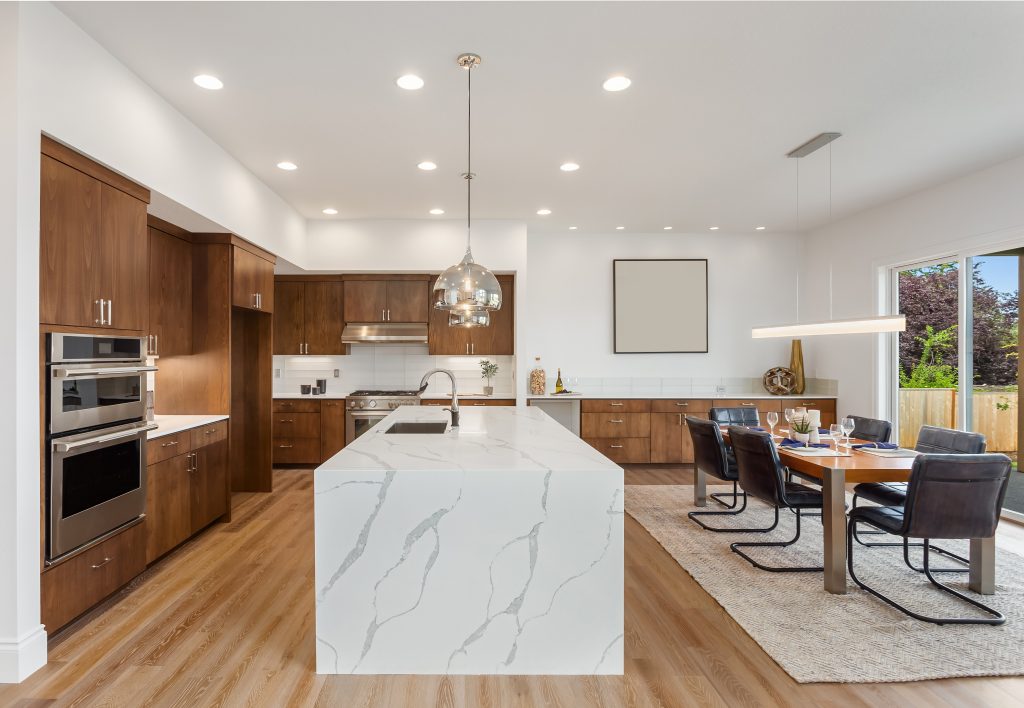
Both quartz and marble have strong resale value, but they appeal to different types of buyers. Marble is often associated with luxury homes and attracts buyers who appreciate the prestige and organic beauty of natural stone. Because marble is unique, it adds an artisanal quality that can increase the perceived value of a home. Quartz, meanwhile, appeals to buyers who prioritize low maintenance and modern style, especially in suburban and contemporary homes.
When reviewing long-term value, it’s important to consider maintenance costs as well. Marble may require more care, sealing, and occasional professional restoration. Quartz needs none of these services, making it more cost-efficient over time. However, some homeowners believe marble’s natural elegance justifies the extra effort.
For those weighing their options while browsing marble kitchen countertops in North Augusta, SC, personal lifestyle, home design goals, and maintenance preferences will determine the better long-term investment. Granite Depot of Columbia provides expert guidance to ensure customers choose the stone that brings both immediate satisfaction and lasting value.