


Choosing a coffee table is often treated as a purely decorative decision, but in reality, this piece of furniture works harder than almost anything else in a living space. It becomes a resting place for drinks, books, laptops, décor, and sometimes even feet at the end of a long day. Because of that, the material you choose matters more than most people expect. Stone, wood, and glass all bring different qualities into a room, and understanding how they behave over time can help homeowners avoid regret and make a smarter long-term choice.
At Granite Depot of Columbia, we regularly speak with homeowners who are surprised to learn that natural stone isn’t limited to kitchens and bathrooms. Stone surfaces are increasingly being used for furniture elements, including coffee tables, precisely because of how they age, perform, and elevate a space. Comparing stone to wood or glass reveals why many homeowners ultimately gravitate toward stone once they understand the differences beyond surface-level aesthetics.
How Does Stone Perform in Daily Use Compared to Wood?
Wood coffee tables are often chosen for their warmth and familiarity. They feel approachable, blend easily with many styles, and can soften the look of a space. However, wood is also one of the most reactive materials used in furniture. It responds constantly to its environment. Changes in humidity can cause warping or cracking. Spills can leave permanent marks. Even everyday use gradually alters the surface, sometimes in ways homeowners didn’t anticipate.
Stone behaves very differently. Natural stone is dimensionally stable. It does not expand and contract with temperature or moisture in the same way wood does. When someone sets down a cold drink or a warm mug, the surface remains unchanged. Over time, stone develops a subtle patina rather than visible wear patterns. This aging process tends to enhance the character of the piece rather than detract from it.
Wood often requires refinishing to restore its appearance. Stone rarely does. That difference alone explains why many homeowners who explore furniture-grade stone through granite countertop stores in Augusta, GA begin to see stone as a long-term investment rather than a design risk.

Is Glass Really as Practical as It Looks?
Glass coffee tables are visually striking. They create openness, reflect light, and can make smaller spaces feel less crowded. In styled photos, glass often looks effortless and modern. In real life, however, it demands constant attention.
Fingerprints, smudges, and dust are immediately visible on glass. Even careful households find themselves wiping the surface multiple times a day. Scratches are another concern. While tempered glass is strong, it is not immune to surface damage, and once scratched, the marks cannot be repaired.
Stone offers a similar sense of visual clarity without the fragility. Lighter stones can brighten a space, while darker stones add depth and contrast. Unlike glass, stone does not show every touch or particle of dust. It feels solid rather than delicate, which changes how people interact with the space. Homeowners are less hesitant to use the surface naturally.
For those browsing granite countertop stores in Augusta, GA, this realization often marks a shift in thinking. Stone delivers visual presence without the anxiety that glass tends to introduce into daily living.
How Does Stone Age Compared to Wood and Glass?
A major difference between these materials becomes apparent over time. Wood shows wear in predictable ways. Edges soften. Finishes dull. Water rings and scratches accumulate. Some homeowners love this lived-in look, but others find it frustrating, especially when damage appears unevenly.
Glass, on the other hand, does not age gracefully. Scratches and chips stand out sharply against an otherwise pristine surface. Once damage occurs, replacement is often the only option.
Stone ages quietly. Minor surface changes blend into the natural pattern of the material. Because stone already contains variation, small marks do not disrupt its appearance. In fact, many homeowners find that stone looks better after years of use because it becomes integrated into the rhythm of daily life.
This is one reason furniture-grade stone has gained popularity beyond kitchens. When people visit granite countertop stores in Augusta, GA, they often realize that the same properties that make stone ideal for countertops also make it ideal for high-use furniture surfaces.
Does Stone Feel Too Formal for a Living Space?
One concern homeowners sometimes express is that stone might feel too formal or cold for a living room setting. This perception usually comes from associating stone exclusively with kitchens or luxury bathrooms. In reality, the way stone feels in a space depends on how it is selected and paired.
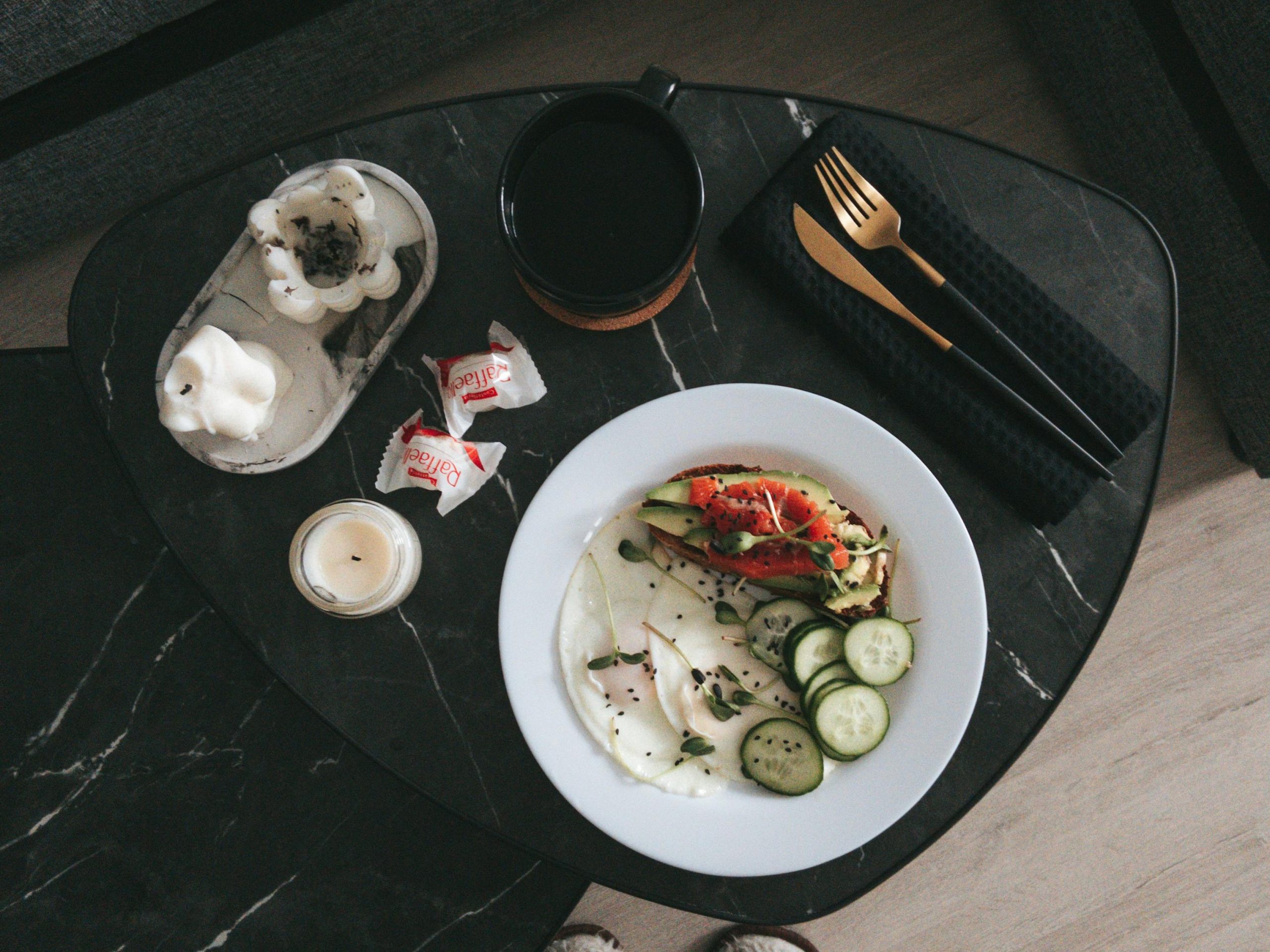
A stone coffee table with soft veining, a honed finish, or rounded edges can feel surprisingly warm and approachable. When paired with textiles, wood accents, or upholstered seating, stone provides balance rather than stiffness. It anchors the room without dominating it.
Wood often sets the tone of a space immediately. Glass tends to disappear visually. Stone sits somewhere in between. It has presence, but it does not dictate style. This flexibility is one reason designers increasingly use stone in mixed-material interiors.
Granite Depot of Columbia has seen growing interest from homeowners who want furniture elements that feel intentional without being trendy. Stone meets that need by offering timelessness rather than novelty.
What About Weight and Stability?
Practical considerations matter, especially for families or high-traffic homes. Glass tables can shift easily and feel unstable. Wood tables vary widely depending on construction quality. Over time, joints can loosen, leading to wobble.
Stone is inherently stable. Its weight keeps it grounded. This stability changes how people use the space. There is less worry about tipping, sliding, or accidental damage during gatherings or everyday movement.
While stone does require thoughtful installation and support, once in place, it becomes one of the most dependable surfaces in the home. This reliability mirrors what homeowners already value in stone countertops.
As one of the trusted resources homeowners turn to when exploring stone options, granite countertop stores in Augusta, GA often help clients understand that stone’s weight is not a drawback but an advantage when durability and confidence are priorities.
How Does Maintenance Really Compare?
Maintenance is often misunderstood when comparing materials. Wood requires regular care, including polishing, refinishing, and careful spill management. Glass requires constant cleaning to maintain its appearance. Stone, by comparison, is surprisingly low maintenance.
Routine cleaning with gentle products is usually sufficient. Occasional sealing helps protect the surface, but this is infrequent and straightforward. The key difference is that stone does not demand constant attention. It allows homeowners to use the surface without anxiety.
This ease of care becomes especially noticeable over time. What feels manageable in the first year can become burdensome in the fifth. Stone’s consistency makes it easier to live with long term.
Granite Depot of Columbia emphasizes this reality when speaking with homeowners who are considering stone beyond traditional applications. The goal is not just beauty on day one, but comfort and confidence for years to come.

Why Stone Is Gaining Ground Beyond the Kitchen
The rise of stone coffee tables reflects a broader shift in how homeowners think about materials. People want fewer replacements, fewer compromises, and fewer surfaces that require special treatment. Stone aligns with these priorities.
Unlike wood or glass, stone does not rely on coatings or finishes to perform well. Its strength comes from the material itself. This intrinsic durability is what allows stone to transition so seamlessly from kitchens to living spaces.
Homeowners who start by researching countertops often discover new possibilities once they understand the material’s versatility. Visiting granite countertop stores in Augusta, GA opens the door to seeing stone as a design element rather than a category-limited surface.
Choosing the Right Material for the Way You Live
Ultimately, the choice between stone, wood, and glass depends on how you use your space. Wood offers warmth but requires care. Glass offers lightness but demands constant cleaning. Stone offers balance. It delivers visual interest, durability, and low maintenance in a way few other materials can match.
For homeowners who want a coffee table that supports daily life without becoming a focal point of stress, stone is increasingly the preferred choice. It integrates into the space quietly, confidently, and permanently.
Granite Depot of Columbia works with homeowners who value materials that grow better with time rather than wear out. That philosophy applies just as much to furniture surfaces as it does to countertops.