

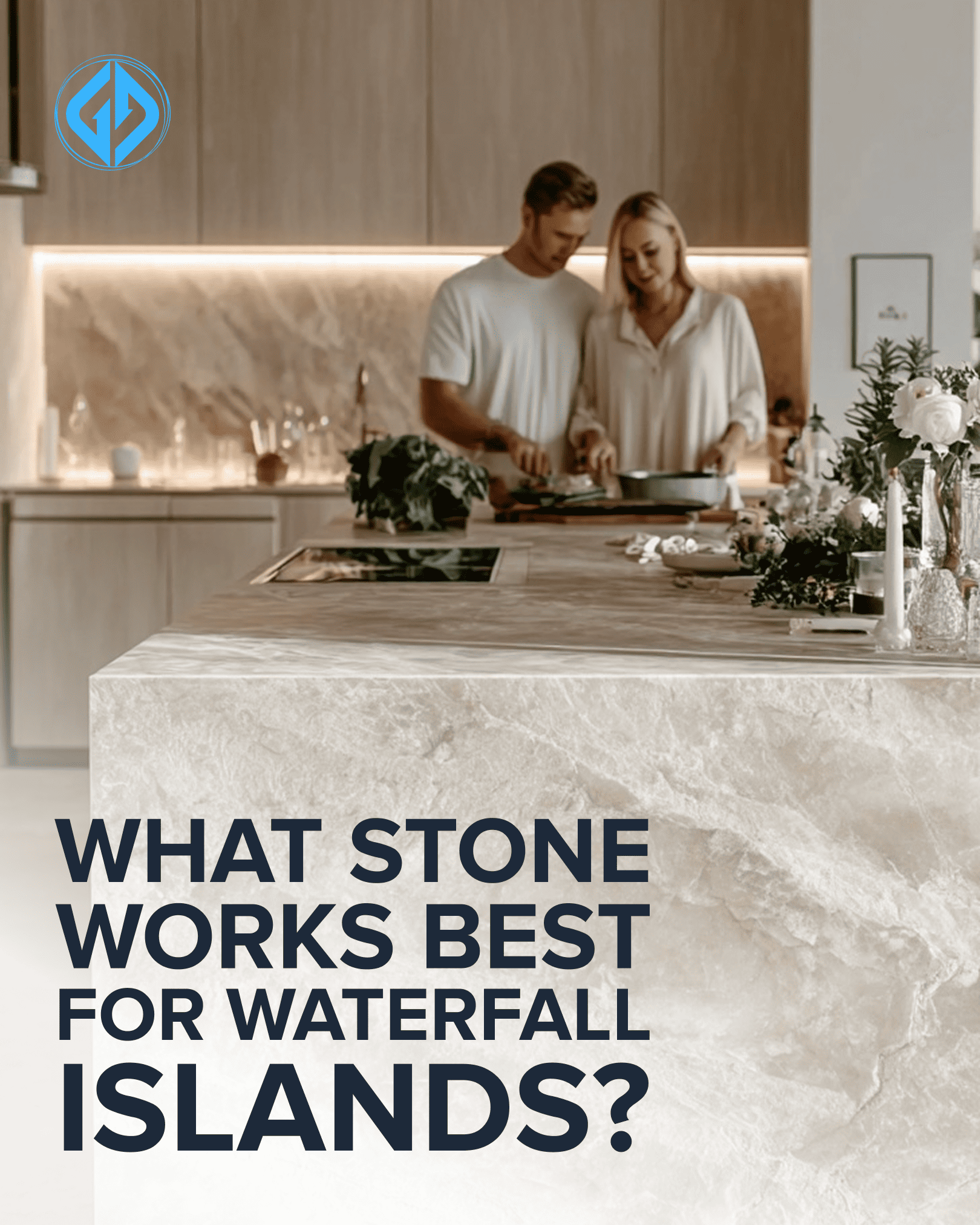
Waterfall islands have become one of the most recognizable features in modern kitchens. They instantly change how a space feels, turning an ordinary island into a focal point that looks intentional, architectural, and high-end. But while the visual effect is striking, not every stone performs the same way when used in a waterfall design. The choice of material affects far more than appearance. It influences durability, edge integrity, maintenance, and how the island will look years from now.
Homeowners often focus on the dramatic reveal of a waterfall island and overlook the technical reality behind it. A waterfall edge exposes the stone vertically, creates visible seams, and puts stress on areas that traditional countertops never face. Choosing the right stone is not about trends alone. It is about understanding how different materials behave when gravity, daily use, and time are part of the equation.
Granite Depot of Columbia works with homeowners who want their waterfall islands to feel impressive on day one and still look refined after years of cooking, entertaining, and everyday living. Understanding which stone truly works best is the first step toward that outcome.
Why Waterfall Islands Demand More From Stone Than Standard Countertops
A waterfall island is not just a countertop with extended sides. Structurally, it is closer to a vertical installation than a horizontal one. The stone must support its own weight along the sides, maintain clean edges, and hold up visually when seen from multiple angles. Any weakness in the material or fabrication becomes immediately noticeable.
Unlike standard countertops, waterfall islands make seams visible by design. The transition from horizontal surface to vertical panel must align in color, pattern, and thickness. Stones with inconsistent movement or weak internal structure can struggle in this application. Cracks, chips, or visual interruptions are far more noticeable when the stone is used this way.
This is why experienced fabricators approach waterfall islands differently from basic installations. For homeowners comparing granite companies in Batesburg-Leesville, SC, it is important to understand that not all stone options are equally suited for this design, even if they perform well elsewhere in the kitchen.
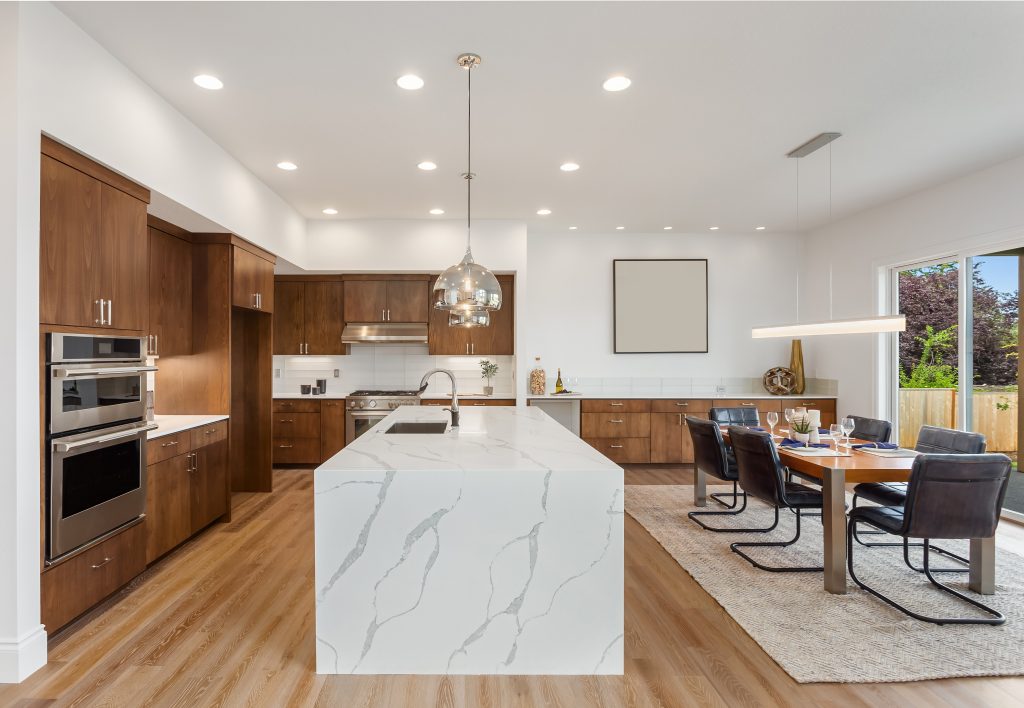
Why Granite Continues to Be a Top Choice for Waterfall Islands
Granite remains one of the most reliable and visually satisfying materials for waterfall islands. Its natural density, structural strength, and depth of pattern allow it to perform exceptionally well in vertical applications. When properly selected and fabricated, granite maintains clean edges and consistent appearance across seams.
One of granite’s biggest advantages is how well minor wear blends into the surface over time. Waterfall edges are more exposed than standard countertops. They are brushed by clothing, bumped by stools, and touched constantly. Granite absorbs this interaction gracefully. Small marks or variations tend to disappear into the natural pattern rather than stand out as damage.
From a design perspective, granite offers movement and depth that enhance the sculptural quality of a waterfall island. Bold veining can create a dramatic wrap effect, while more uniform granites deliver a calm, monolithic look. This versatility is one reason why granite companies in Batesburg-Leesville, SC frequently recommend granite for waterfall islands over trend-driven alternatives.
Granite Depot of Columbia helps homeowners select slabs that are not only visually striking but structurally appropriate for this demanding application.
How Quartz Compares When Used in Waterfall Islands
Quartz is often chosen for its consistent color and low maintenance, and it can work beautifully in waterfall islands when selected carefully. Its engineered composition allows for precise seam alignment and predictable thickness, which can be beneficial in clean, modern designs.
However, quartz behaves differently than natural stone when used vertically. While strong, it can be less forgiving around corners and edges if not fabricated correctly. The uniformity that makes quartz appealing horizontally can also make flaws more visible vertically. Any chip or seam misalignment stands out more clearly than it would in granite.
Quartz also responds differently to impact along exposed edges. In high-traffic kitchens, waterfall sides may take more contact than expected. Choosing the right thickness, edge profile, and support system is critical. This is where guidance from knowledgeable professionals becomes essential.
Homeowners evaluating granite companies often discover that quartz can be a great option, but only when the design and fabrication account for how the material behaves in a waterfall configuration.
Why Marble Is Visually Stunning but Technically Risky for Waterfall Islands
Marble is undeniably beautiful, and waterfall islands wrapped in marble can look breathtaking in the right space. The flowing veining creates a dramatic visual statement that few materials can match. However, marble’s beauty comes with trade-offs that are magnified in waterfall designs.
Marble is softer and more porous than granite or quartz. In a waterfall island, the vertical edges are more vulnerable to chipping, staining, and etching. These areas are harder to protect and more difficult to repair. What begins as a subtle imperfection can become a focal point over time.
For homeowners who prioritize long-term durability and low stress, marble may require more care than expected in this application. This does not mean marble should never be used, but it does mean expectations must align with reality. Many granite companies in Batesburg-Leesville, SC advise using marble selectively or considering stones that offer similar visual movement with greater resilience.
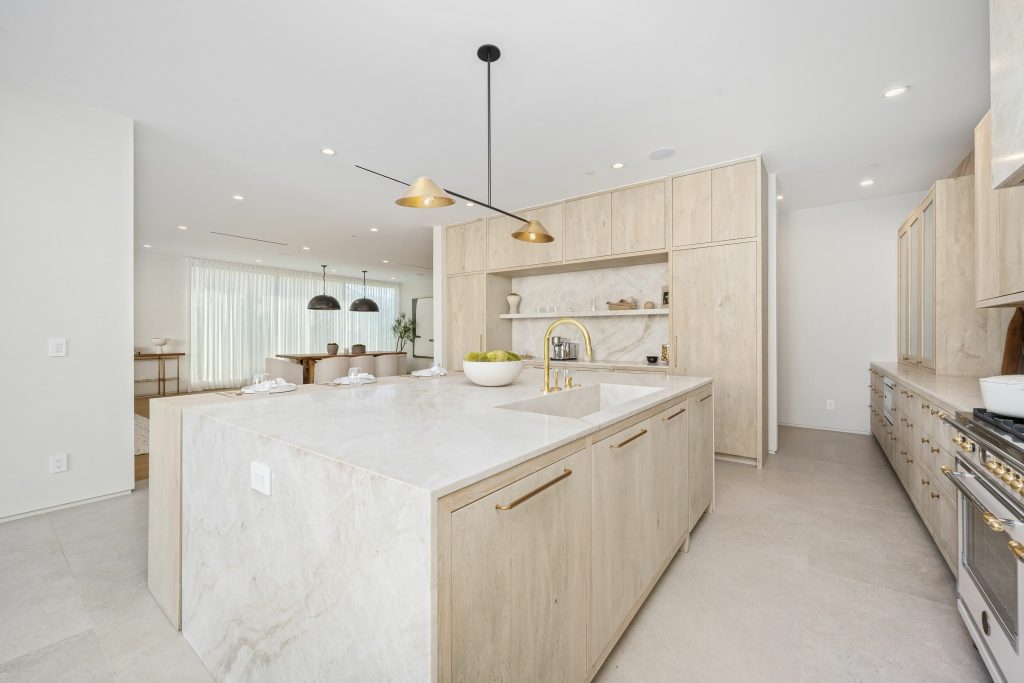
How Vein Direction and Slab Selection Affect Waterfall Success
One of the most overlooked aspects of waterfall islands is vein direction. The way a stone’s pattern flows across the countertop and down the sides determines whether the island looks intentional or awkward. Poorly planned vein transitions can make even expensive stone look disjointed.
Choosing the right slab is not just about color. It is about how the stone can be cut to maintain visual continuity. Some stones lend themselves naturally to waterfall designs, while others fight against the concept. This is where experienced fabricators make a significant difference.
Granite Depot of Columbia emphasizes slab layout and seam planning early in the process. By visualizing how the stone will wrap the island, homeowners avoid surprises and achieve a cohesive final result that feels custom rather than improvised.
Why Thickness, Support, and Fabrication Matter More Than Most People Expect
Waterfall islands place additional stress on stone due to their vertical extension. Thickness plays a crucial role in both appearance and performance. Thicker stone creates a bold, grounded look and provides greater resistance to impact along exposed edges.
Support systems hidden within the cabinetry or island structure are equally important. Without proper reinforcement, even the best stone can develop issues over time. Fabrication quality determines how well edges are finished, seams are aligned, and weight is distributed.
This is why working with professionals who understand the engineering behind waterfall islands is essential. For homeowners searching for granite companies in Batesburg-Leesville, SC, it is worth asking detailed questions about fabrication methods, support planning, and installation experience specific to waterfall designs.
How Waterfall Islands Age Over Time Depending on Stone Choice
A waterfall island should not just impress on installation day. It should age well, maintaining its presence without becoming a maintenance burden. Granite tends to excel in this regard. Its surface develops character rather than showing wear, and its edges remain stable when properly installed.
Quartz maintains its original appearance longer but can show damage more clearly if it occurs. Marble evolves dramatically, developing patina that some homeowners love and others regret. Understanding how each stone ages helps homeowners choose based on lifestyle, not just aesthetics.
Granite Depot of Columbia guides clients through these considerations so the final choice reflects how the kitchen will actually be used, not just how it will be photographed.
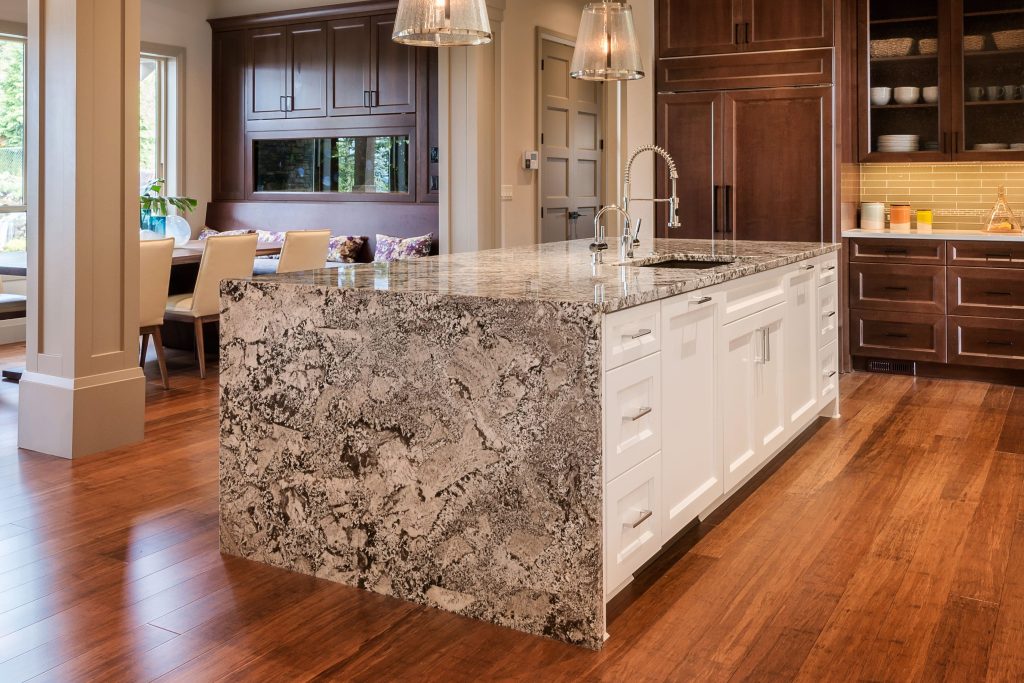
Why the “Best” Stone Is Really About Matching Material to Lifestyle
There is no single stone that is best for every waterfall island. The right choice depends on how the kitchen functions, how often it is used, and how much attention the homeowner wants to give to maintenance. Families with busy kitchens may prioritize resilience, while design-focused homeowners may accept more care for visual impact.
What matters most is making an informed decision. Understanding the strengths and limitations of each stone prevents disappointment and ensures the waterfall island enhances daily life rather than complicates it.
For homeowners exploring granite companies in Batesburg-Leesville, SC, clarity and education are just as important as selection. When expectations align with material behavior, waterfall islands deliver exactly what they promise: lasting beauty and structural confidence.
Granite Depot of Columbia works with homeowners to create waterfall islands that feel intentional, durable, and timeless. The goal is not simply to follow a trend, but to build a feature that continues to elevate the kitchen year after year.