

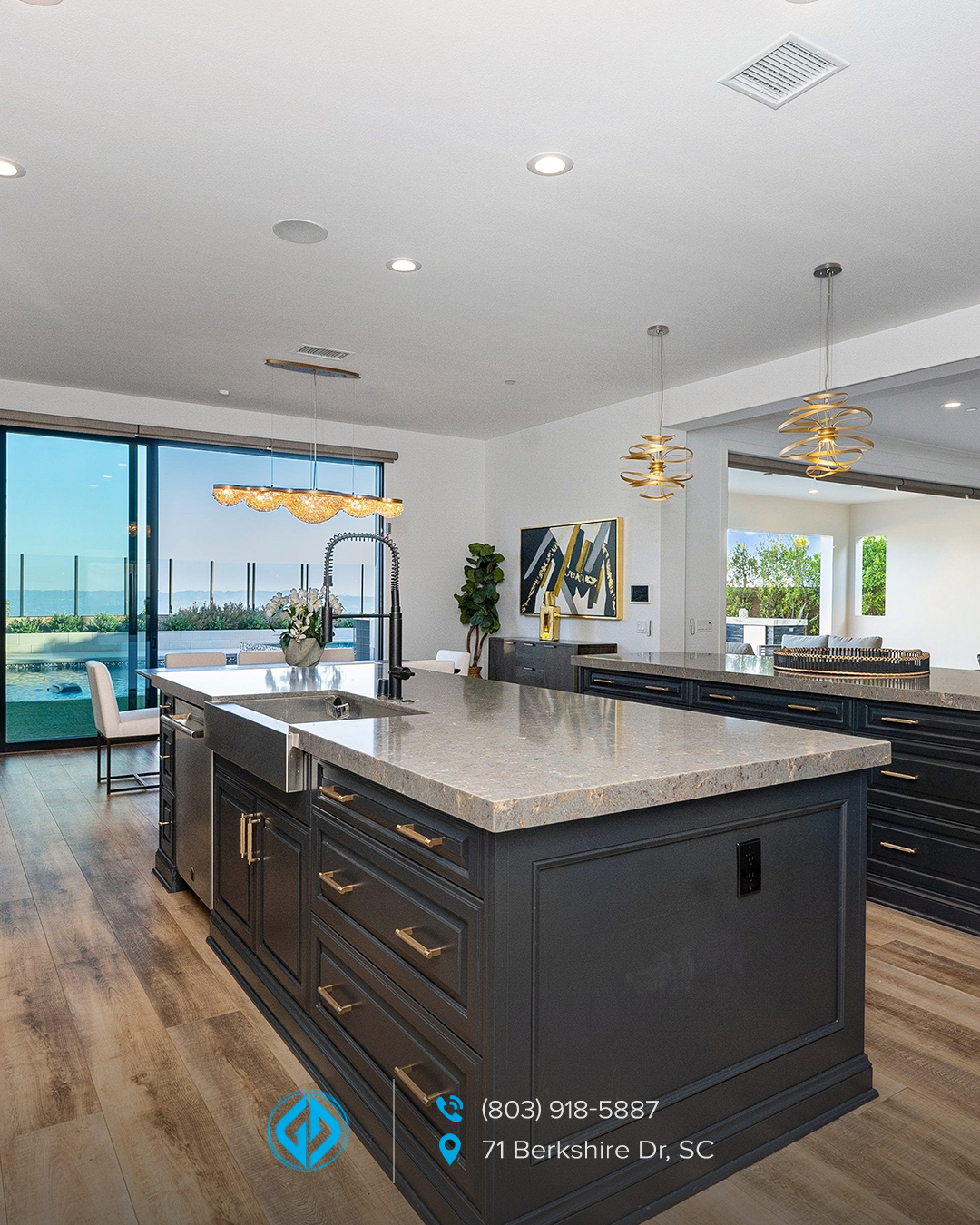
Kitchen islands have quietly become the most demanding surface in the home. They are not just another countertop. They function as prep stations, dining tables, homework desks, gathering points, and visual anchors—all at once. Because of that, installers often see the same misunderstandings repeat themselves. Homeowners focus on color or trend, while structural, functional, and long-term considerations get overlooked until problems appear.
Granite Depot of Columbia works with homeowners who want their kitchen island to perform as beautifully as it looks, not just on installation day but years later. When installers talk among themselves, certain truths come up again and again—details that rarely make it into inspiration photos or showroom conversations, but that make all the difference in daily life.
Size Changes Everything More Than People Expect
The moment an island grows beyond standard countertop dimensions, the rules change. Larger slabs introduce weight, seam planning, and support challenges that smaller runs simply do not have. Installers often wish homeowners understood that size is not just a design decision—it is a structural one.
A wide island can weigh hundreds of pounds more than a perimeter countertop. That weight must be distributed evenly through cabinetry and subfloor support. Overhangs for seating look simple in photos, but they require precise engineering to avoid long-term stress. Even the direction of the stone’s natural veining matters more on an island, because it becomes the visual focal point of the room.
Homeowners searching for countertop installers in Batesburg-Leesville, SC often underestimate how early these decisions need to be made. Once cabinets are installed incorrectly or support is missing, fixing the problem becomes far more expensive than planning properly from the start.
Islands Are Used Harder Than Any Other Surface
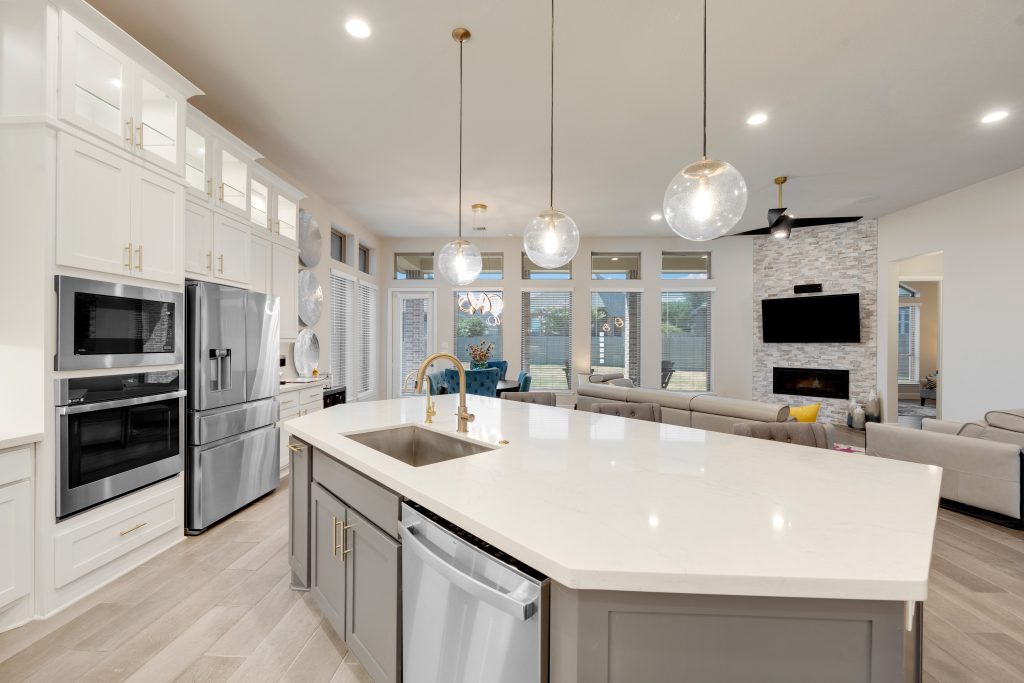
Installers see patterns homeowners rarely notice. Islands get leaned on more. They collect more spills. They handle more heat, more impact, and more constant contact than perimeter counters. That reality affects material choice far more than style trends.
Stone performs exceptionally well in this role, but not all finishes behave the same way. A polished surface reflects light beautifully, but also highlights smudges. A honed finish softens reflections and hides fingerprints, but changes how the stone ages. Neither option is wrong—but each creates a different daily experience.
Installers wish more homeowners asked how a stone will feel after five years of use, not just how it looks under showroom lighting. This perspective is especially important for those comparing advice from countertop installers in Batesburg-Leesville, SC, where kitchens often function as true family hubs rather than display spaces.
Seams Are About Physics, Not Skill Shortcomings
One of the most common frustrations installers encounter is the expectation of a completely seam-free island, regardless of size. While large-format slabs exist, natural stone still has physical limits. Seams are not signs of poor craftsmanship—they are solutions to gravity, transportation constraints, and structural integrity.
Where seams are placed matters more than whether they exist at all. Experienced installers align seams with sink cutouts, cooktop placements, or natural visual breaks in the stone pattern. When done well, seams fade into the background and maintain strength over time.
Problems arise when homeowners insist on unrealistic layouts or delay seam discussions until fabrication has already begun. Installers wish clients understood that seam planning is an engineering decision first and an aesthetic decision second. Anyone consulting countertop installers benefits from having this conversation early, before design choices become limitations.
Overhangs Look Simple but Carry Hidden Risk
That clean, floating island look is one of the most requested features—and one of the most misunderstood. Overhang depth affects more than legroom. It influences stress distribution, edge vulnerability, and long-term stability.
Stone is strong, but it is not flexible. Unsupported overhangs beyond recommended limits can introduce micro-stress that may not show up immediately. Months or years later, homeowners notice hairline cracks or edge chipping and assume the stone failed, when in reality the support system did.
Installers often wish homeowners realized that hidden steel supports, corbels, or structural brackets are not design compromises. They are insurance policies. Properly integrated, they preserve the visual effect while protecting the stone. Granite Depot of Columbia frequently helps homeowners strike this balance so the island remains both striking and structurally sound.

Installation Timing Matters More Than Most People Realize
Installers often say the biggest mistakes happen before the stone even arrives. Cabinets that are not level, floors that settle after installation, or last-minute layout changes all increase risk. Stone does not forgive movement well. It expects a stable foundation.
Kitchen islands are especially sensitive because they are freestanding elements. Even minor cabinet shifts can introduce uneven stress. Installers wish homeowners understood that rushing installation to meet a deadline often creates problems that surface long after the project is finished.
For homeowners working with countertop installers in Batesburg-Leesville, SC, allowing proper time for cabinet installation, acclimation, and final measurements dramatically improves results. Precision is not about perfectionism—it is about longevity.
Why Islands Reveal the Truth About Material Choice
If a stone performs well on an island, it will perform well anywhere. Islands expose materials to heat, moisture, impact, and constant visual scrutiny. They do not hide flaws. This is why installers often evaluate stone choices based on island performance rather than backsplash or vanity applications.
Natural stone develops character over time. Minor wear blends into its pattern instead of standing out. This is one reason seasoned installers still favor stone for islands despite the rise of trend-driven alternatives. What looks pristine on day one is not always what looks good after years of real use.
Granite Depot of Columbia helps homeowners understand that longevity is not about avoiding all signs of life. It is about choosing a surface that ages with grace instead of stress.
Why Installers Think Differently Than Designers
Designers focus on proportion, color, and flow. Installers focus on load paths, stress points, and real-world use. The best kitchen islands happen when both perspectives align.
Installers wish homeowners knew that their cautious questions are not obstacles to design—they are what protect it. When installers ask about seating habits, cooking routines, or family size, they are not overcomplicating the project. They are preventing future frustration.
Homeowners who listen to installer insight early often end up with islands that feel effortless to live with. That is the difference between a kitchen that looks good in photos and one that works beautifully every day.
What Most Homeowners Only Learn After Installation
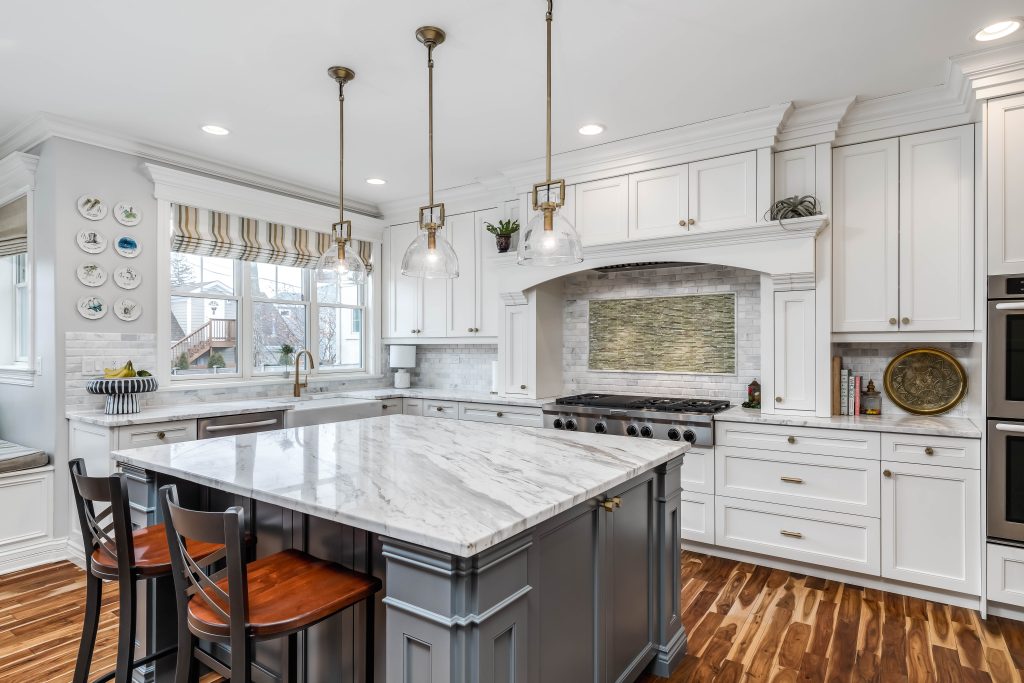
By the time a kitchen island is in place, changing it is expensive and disruptive. Installers often hear the same regrets: wishing they had adjusted the overhang, chosen a different finish, or allowed more space for daily use.
These lessons are not about mistakes—they are about experience. The goal is to benefit from installer experience before installation, not after.
If you are researching countertop installers in Batesburg-Leesville, SC, the most valuable information often comes from asking what installers wish clients knew earlier. Those answers tend to shape the most successful projects.
How a Well-Planned Island Changes the Entire Kitchen Experience
When done right, a stone island becomes invisible in the best possible way. It supports daily routines without demanding attention. It hosts meals, conversations, and work without stress. It absorbs wear without looking tired.
This is what installers aim for, even if they do not always say it out loud. A successful island is not one that avoids use, but one that thrives under it.
Granite Depot of Columbia has seen how thoughtful planning transforms islands from statement pieces into reliable foundations of everyday life.