


Do Countertops Need Additional Support Beyond Cabinets?
When it comes to installing countertops, the need for additional support beyond cabinets depends on several factors. Some countertop materials are heavier than others, such as granite and quartz, which may require additional structural support to prevent damage to both the cabinets and the countertop itself. Other materials, like laminate or wood, may sit directly on cabinets without needing extra reinforcement. For those looking for countertops in West Columbia, SC, it’s crucial to understand the specific requirements of your material to ensure a long-lasting installation.
What Factors Determine Whether a Countertop Can Sit Directly on Cabinets?
Several factors influence whether a countertop can sit directly on cabinets without needing additional support. The type of material is a key consideration. For example, heavy stone materials like granite and quartz are more prone to stress if placed directly on cabinets without additional reinforcement. The thickness of the countertop also plays a role—thicker slabs may distribute weight better, reducing the need for underlayment. In contrast, thinner countertops often need support to prevent sagging. When looking for countertops in West Columbia, SC, it’s important to assess both the material and its thickness to make the best decision for your home.
Another factor is the strength and construction of the cabinets themselves. Solid wood cabinets tend to provide better support than particleboard or less robust materials. Additionally, the size and layout of the countertop—such as whether it includes overhangs or spans a large area—can require extra reinforcement to avoid potential issues down the road.

How Does Countertop Weight Affect Cabinet Structure?
Weight is a significant factor when determining how to install a countertop. Granite and quartz countertops, for instance, are extremely heavy, often requiring cabinets that are built to handle substantial weight. The sturdiness of the cabinet structure must be evaluated before installing these types of countertops. If cabinets are not properly reinforced, the excess weight can cause them to warp or weaken over time. For homeowners selecting countertops in West Columbia, SC, it’s wise to consult professionals to assess the weight distribution and ensure the cabinets are strong enough to support the countertop without risk of damage.
What Is the Role of Plywood or Other Underlayment in Countertop Installation?
Plywood or other underlayment materials often act as a buffer between cabinets and countertops, especially with natural stone materials. Plywood provides extra strength and helps distribute the weight of the countertop evenly across the cabinets, reducing the risk of sagging or cracking. It is commonly used in the installation of granite and quartz countertops to offer additional support, particularly when the cabinets aren’t robust enough to handle the weight directly. In West Columbia, SC, many countertop fabricators recommend plywood underlayment for heavier materials to ensure long-term durability and performance.
For lighter materials such as laminate, an underlayment might not be necessary. However, using one can still help in creating a smoother surface for the countertop to rest on and protect the cabinet structure underneath.
What Are the Best Practices for Securing a Countertop to Cabinets?
Once you’ve selected the material and determined whether underlayment is necessary, it’s crucial to secure the countertop properly to prevent shifting or damage. Adhesives like silicone caulk are often used to bond the countertop to the cabinets, creating a strong but flexible connection. For natural stone materials, specialized stone adhesives are frequently applied to ensure maximum stability. It’s also important to ensure that the seams between countertop sections are carefully aligned and filled, as this prevents movement and ensures a professional finish.
For those installing countertops in West Columbia, SC, it’s advisable to work with experienced professionals who are familiar with the best practices for securing different countertop materials to cabinets. This ensures that the countertop remains level and sturdy, providing both aesthetic appeal and functional durability for years to come.
What Type of Countertops Require Additional Reinforcement?
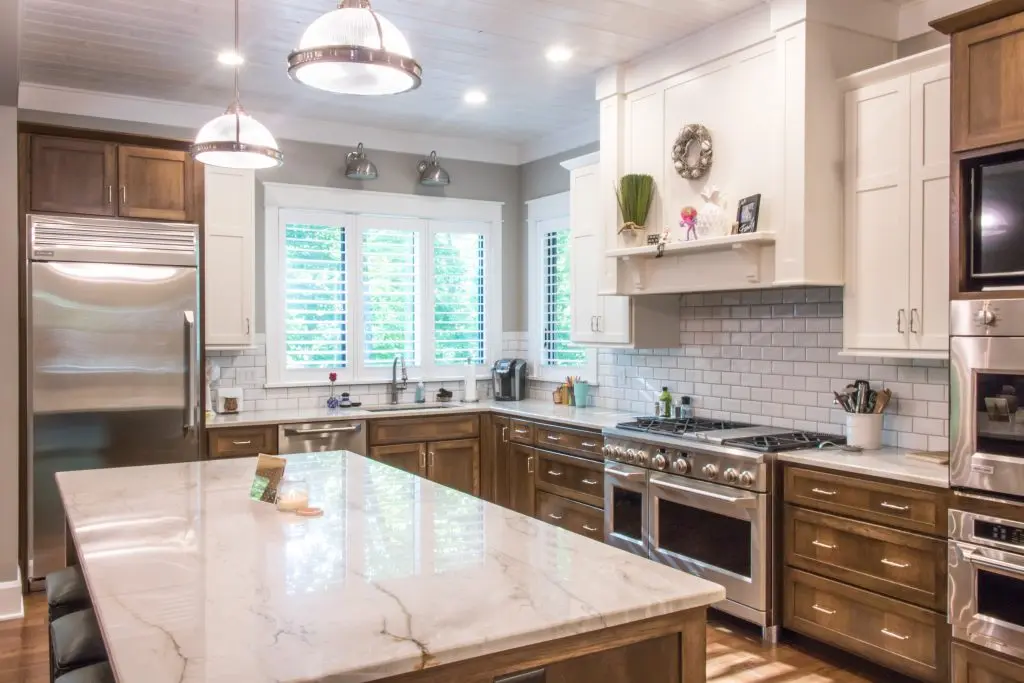
Certain countertop materials are significantly heavier than others, particularly natural stone countertops like granite, quartz, and marble. These materials can weigh anywhere from 13 to 30 pounds per square foot, depending on the thickness and type of stone. When installing these countertops, it’s essential to assess whether your cabinets can support the extra weight. Larger sections of stone countertops, like islands or extended overhangs, often require reinforcement such as plywood, brackets, or corbels to prevent sagging or damage to the cabinetry. For instance, granite countertops with overhangs used for seating areas often need sturdy supports like corbels or hidden steel brackets to maintain stability. Failure to provide adequate reinforcement could lead to stress cracks in the countertop or even damage to the cabinets underneath. Lighter countertop materials like laminate or butcher block typically don’t require additional reinforcement beyond the cabinets themselves.
How Can Overhangs Be Supported Properly?
Countertop overhangs extend beyond the cabinets to provide additional workspace, dining, or decorative purposes. For overhangs up to 10 inches, countertop materials such as quartz or granite can usually be supported by the strength of the stone itself, assuming the base cabinets are well-built. However, for larger overhangs—typically anything over 10 inches for granite and 12 inches for quartz—additional supports like brackets or corbels are necessary to avoid sagging or cracking. Brackets and corbels come in various materials, including wood, metal, or stone, and should be installed based on the type of stone and its specific weight. The size and positioning of these supports are essential for safety and to avoid long-term structural damage to the countertop or cabinetry. If these supports are insufficient, the overhang could crack under its weight or cause the cabinets to pull away from the wall over time.
What Are the Risks of Not Providing Proper Support for Heavy Countertops?
The primary risk of not providing adequate support for heavy stone countertops is structural damage to both the countertop and the cabinets. Over time, the weight of the countertop could cause the cabinet frames to bow or collapse, especially if the cabinets are not built with heavy-duty materials. Additionally, countertops without proper support could crack, particularly at weak points like seams or overhangs. Once a crack forms, it compromises the entire surface, leading to more extensive repairs or even the need for a complete replacement. Furthermore, countertops in West Columbia, SC that shift due to improper installation can become misaligned, causing uneven surfaces that not only diminish the aesthetic appeal of your kitchen or bathroom but also make them less functional. Proper support during installation ensures that your countertops remain securely in place, preventing damage and ensuring the longevity of your investment.

Conclusion
The process of installing countertops goes beyond just placing them on cabinets. Factors like material weight, cabinet structure, and underlayment use must all be considered to ensure a successful and durable installation. At Granite Depot of Columbia, as one of the leading countertop fabricators, we specialize in helping homeowners find the perfect countertop solution for their kitchen or bathroom, ensuring it is both aesthetically pleasing and structurally sound. Contact us today to learn more about our wide range of options and professional installation services.