

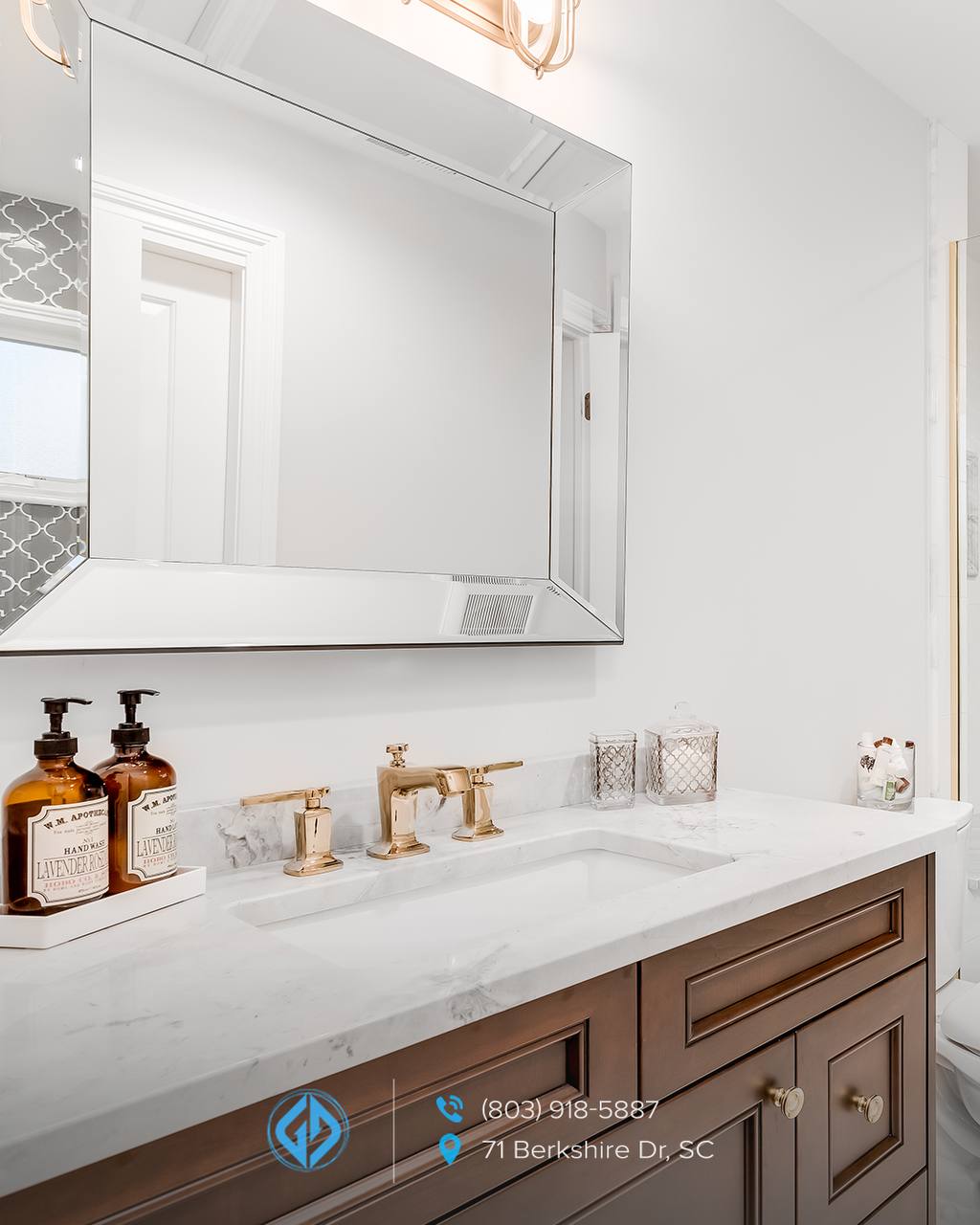
Bathroom design often feels more permanent than other areas of the home. Unlike kitchens, which are updated more frequently, bathrooms tend to stay unchanged for years. This makes every decision — especially color — more important. Yet many homeowners find themselves drawn to shades that feel exciting in the moment but lose their appeal over time.
Granite Depot of Columbia often works with clients who want to avoid that exact outcome. The key difference between timeless and trendy colors lies not in boldness or subtlety, but in balance. Timeless colors tend to sit comfortably within a space rather than demanding attention. They complement rather than dominate.
For homeowners exploring bathroom countertops in Union, SC, this means looking beyond what is currently popular. A color that feels fresh today may be tied to a specific design trend, which can make it feel outdated as styles evolve.
Timeless vanity top colors often share certain qualities. They are grounded in natural tones, influenced by the inherent palette of stone itself. Whites, soft grays, warm beiges, and deep charcoals tend to remain relevant because they reflect materials found in nature rather than artificial color trends.
Natural stone plays an important role in this. Its variation prevents the surface from feeling flat, even when the color is neutral. This depth allows the countertop to remain visually interesting without relying on bold or temporary design choices.
A timeless color does not need to stand out immediately. It needs to feel right over time.
How Does Natural Stone Influence the Way Color Is Perceived?
Color in natural stone is not uniform. It shifts, blends, and interacts with light in ways that create a dynamic surface. This is one of the reasons stone vanity tops maintain their appeal even as design trends change.
Granite Depot of Columbia often explains that a single slab can contain multiple tones, even when it appears to be one color at first glance. Subtle variations in mineral composition create layers within the stone, allowing it to respond differently depending on lighting and surrounding elements.
For those researching bathroom countertops in Union, SC, this means that choosing a color is not just about selecting a shade. It is about understanding how that shade behaves across the surface.
A white marble vanity, for example, is rarely pure white. It may include soft gray veining, warm undertones, or even hints of beige. These variations give the stone depth, preventing it from feeling sterile or overly minimal.
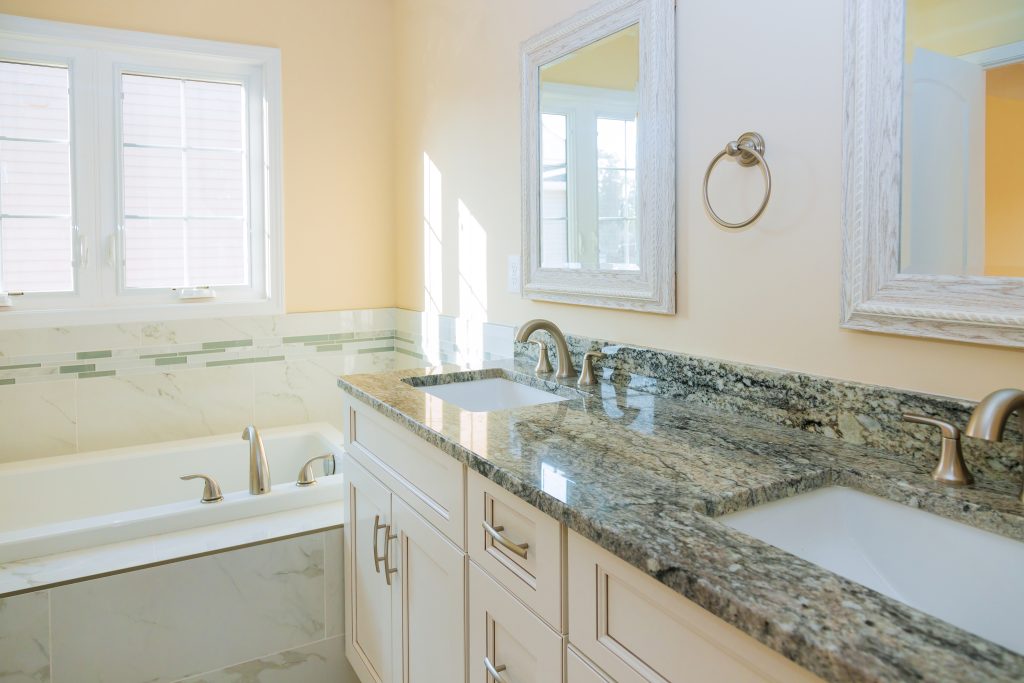
Granite, on the other hand, often combines multiple minerals that create a more textured appearance. Even darker stones contain subtle variations that catch light and add dimension.
This complexity is what allows natural stone to remain visually engaging over time. It does not rely on a single color to define its presence. Instead, it offers a range of tones that adapt to the space.
Color in natural stone is not fixed. It evolves with the environment.
What Colors Work Best for Long-Term Bathroom Design?
Choosing a vanity top color that will not go out of style requires a focus on versatility. The most enduring colors are those that can adapt to changes in the surrounding design.
Granite Depot of Columbia often recommends starting with neutral tones as a foundation. These colors provide flexibility, allowing homeowners to update other elements of the bathroom — such as paint, fixtures, or cabinetry — without needing to replace the countertop.
For homeowners considering bathroom countertops, this approach offers both practicality and longevity. A neutral stone surface can support a wide range of design styles, from traditional to modern, without feeling out of place.
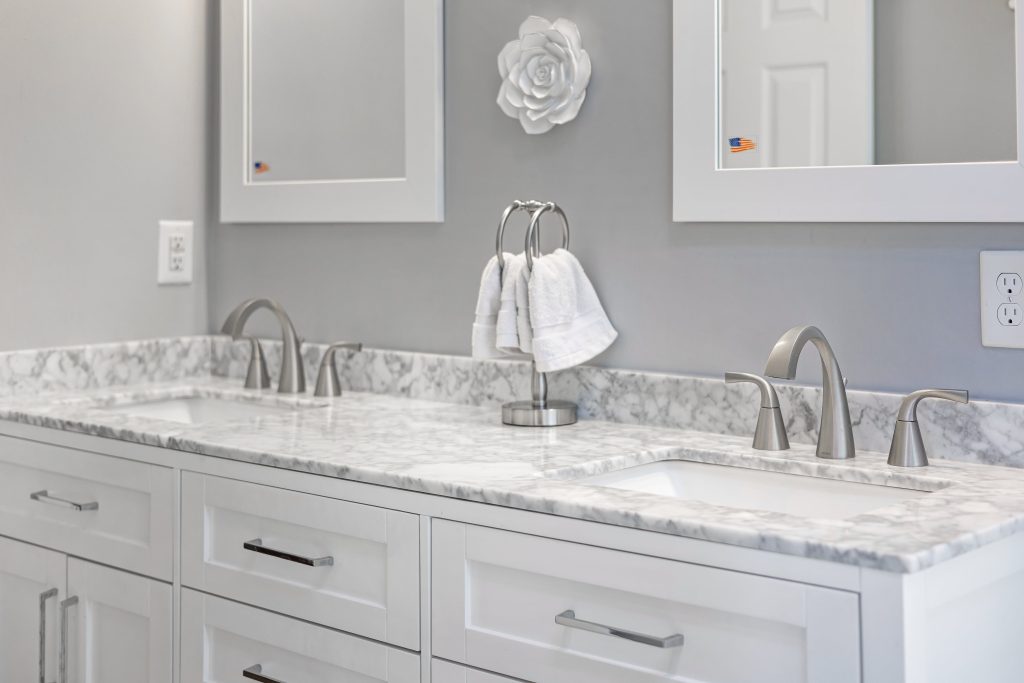
White and off-white tones remain among the most popular choices because they create a sense of openness and cleanliness. Gray tones offer a slightly more contemporary feel while maintaining neutrality. Warm beige and taupe shades introduce softness, making the space feel more inviting.
Darker colors, such as deep charcoal or black granite, can also be timeless when used thoughtfully. These tones create contrast and add a sense of structure to the bathroom, especially when paired with lighter elements.
The key is not to avoid color entirely, but to choose colors that are rooted in natural variation rather than trend-driven palettes.
How Do Lighting and Surrounding Materials Affect Your Choice?
A vanity top does not exist in isolation. Its color is influenced by everything around it — lighting, cabinetry, wall color, and even the size of the space. A stone that looks one way in a showroom can appear entirely different once installed in a bathroom.
Granite Depot of Columbia often encourages homeowners to consider how their chosen stone will interact with their specific environment. Natural light, for example, can enhance the subtle tones within the stone, while artificial lighting may emphasize different aspects of its color.
For those exploring bathroom countertops in Union, SC, this means viewing the stone in conditions that are as close as possible to the final setting. Bringing samples into the home, observing them at different times of day, and comparing them with existing materials can provide a more accurate sense of how the color will perform.
Cabinetry also plays a significant role. A light vanity paired with a light countertop can create a seamless look, while a darker countertop can introduce contrast and definition. The relationship between these elements determines how the color is perceived.
Even small details, such as hardware and fixtures, contribute to the overall effect. Warm metal finishes can enhance beige or gold undertones, while cooler finishes complement gray or white surfaces.
Choosing a timeless color is not just about the stone itself. It is about how that stone fits into the entire composition of the bathroom.
Why Do Some “Trendy” Colors Lose Appeal So Quickly?
Trendy colors often gain popularity because they feel new and different. They stand out, create visual impact, and align with current design movements. However, this same distinctiveness can make them feel dated as trends shift.
Granite Depot of Columbia frequently sees homeowners reconsider bold color choices after a few years. What once felt unique can begin to feel limiting, especially when it no longer aligns with updated design preferences.
For homeowners researching bathroom countertops, this highlights the importance of considering longevity. A countertop is not a short-term element. It is a foundational part of the bathroom that is expected to last for many years.
Trendy colors often rely on strong contrasts or unusual tones that may not adapt easily to change. As surrounding elements are updated, these colors can become harder to integrate into the overall design.
Natural stone helps mitigate this risk because its variation softens the impact of any single color. Even when a stone includes bolder tones, they are balanced by other elements within the slab.
Timeless design is not about avoiding creativity. It is about ensuring that creativity can evolve over time.
How Can You Choose a Vanity Top Color You Won’t Regret Years Later?
The process of choosing a vanity top color ultimately comes down to perspective. Instead of asking what looks best today, homeowners should consider what will continue to feel right in the future.
Granite Depot of Columbia often advises clients to focus on how a color makes them feel rather than how it fits into current trends. A color that feels natural, balanced, and comfortable is more likely to remain appealing over time.
For those exploring bathroom countertops in Union, SC, this means taking a step back from immediate impressions. Viewing multiple slabs, considering different lighting conditions, and imagining the space several years into the future can provide valuable insight.
It is also helpful to think about flexibility. A timeless countertop allows for changes in other design elements without requiring a complete redesign. This adaptability is one of the most important factors in long-term satisfaction.
Natural stone offers an advantage here because it does not rely on a single, fixed color. Its variation allows it to adapt to changes while maintaining its own identity.
In the end, choosing a vanity top color is not about finding perfection. It is about finding balance — a color that feels grounded, versatile, and aligned with the way the space will be used.
A well-chosen stone does not just look good on installation day. It continues to feel right as the years pass, becoming a lasting part of the home rather than a detail that needs to be replaced.