


When choosing the ideal countertop material for your kitchen, both aesthetic appeal and practicality are key factors to consider. Marble and quartz are two of the most popular options, each offering distinct advantages that can significantly influence the look and functionality of your kitchen. Whether you’re aiming for a luxurious, timeless design or a modern, low-maintenance space, understanding the differences between marble and quartz is essential. This guide will help you compare these materials based on their aesthetic appeal, durability, maintenance requirements, impact on resale value, and performance in high-heat and high-moisture environments. For those considering marble kitchen countertops in Lexington, SC, or exploring quartz alternatives, this comprehensive overview will guide you in making an informed decision.
How Do Marble and Quartz Differ in Terms of Aesthetic Appeal?
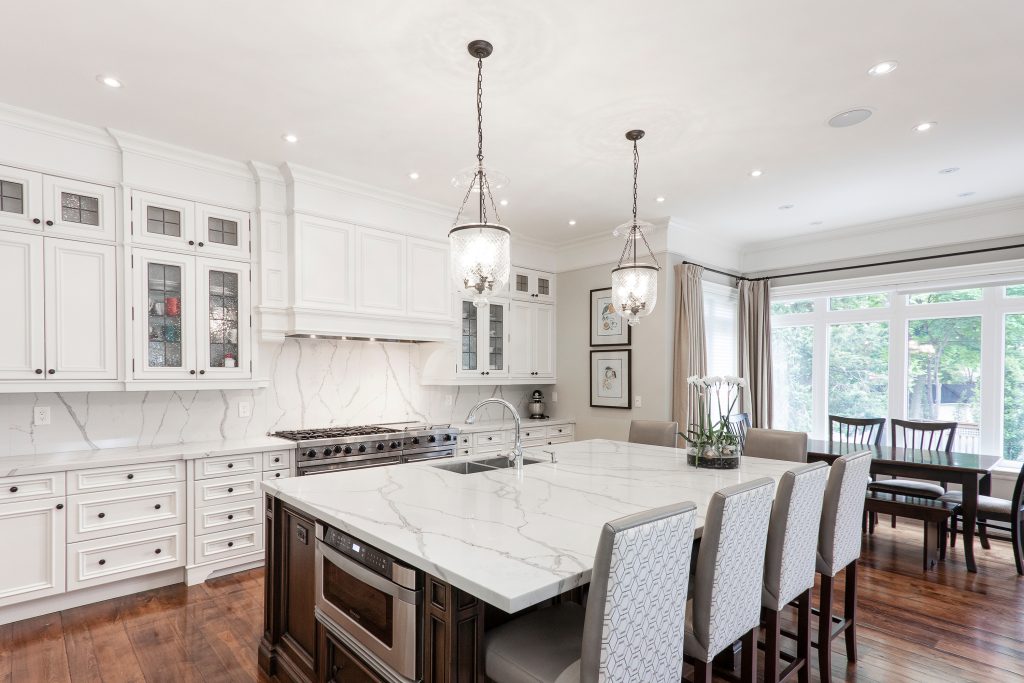
Marble and quartz are both renowned for their beauty, but they offer very different looks. Marble is a natural stone, known for its luxurious and timeless appearance. Each slab of marble is unique, with its natural veining patterns that can range from subtle to dramatic. This one-of-a-kind quality is one of the main reasons why homeowners choose marble kitchen countertops in Lexington, SC. The natural beauty of marble can elevate any kitchen, adding a touch of elegance and sophistication that is hard to match.
On the other hand, quartz is an engineered stone, made by combining natural quartz crystals with resins and pigments. This process allows for a high degree of control over the color and pattern, resulting in a more uniform and consistent appearance. Quartz countertops are available in a wide range of colors, including options that mimic the look of natural stone, such as marble. For those who prefer a consistent, sleek look, quartz offers the advantage of predictability in its appearance. Unlike marble, which can vary significantly from slab to slab, quartz provides a uniformity that appeals to homeowners seeking a more modern, streamlined aesthetic.
Both materials can complement various kitchen styles, but the choice between marble and quartz often comes down to whether you prefer the natural, unpredictable beauty of marble or the consistent, customizable look of quartz. For homeowners in Lexington, SC, choosing between these two options will largely depend on the desired aesthetic for their kitchen.

What Are the Durability and Maintenance Differences Between Marble and Quartz?
Durability and maintenance are critical considerations when choosing a countertop material, as they affect both the longevity and the daily upkeep of your kitchen surfaces. Marble, while visually stunning, is a softer stone compared to quartz. This softness makes marble more susceptible to scratches, chips, and etching, particularly from acidic substances like lemon juice, vinegar, or wine. Additionally, marble is porous, which means it can absorb liquids and stains if not properly sealed. Regular sealing is necessary to protect marble kitchen countertops in Lexington, SC, from these potential issues, adding to the maintenance required to keep them looking pristine.
Quartz, in contrast, is engineered to be one of the most durable countertop materials available. It is non-porous, meaning it does not require sealing and is resistant to stains, scratches, and bacteria. This makes quartz an excellent choice for busy kitchens where spills and heavy use are common. The low maintenance nature of quartz countertops is one of their biggest selling points, especially for homeowners who want a beautiful kitchen without the hassle of regular upkeep.
While marble offers unmatched natural beauty, it does require a higher level of care compared to quartz. Homeowners in Lexington, SC, who choose marble kitchen countertops should be prepared for the additional maintenance that comes with this material. Conversely, quartz provides a more practical option for those who prioritize durability and ease of maintenance.
How Do Marble and Quartz Countertops Impact Resale Value?
When investing in kitchen countertops, it’s important to consider how your choice will impact the resale value of your home. Marble and quartz both have the potential to enhance the value of your home, but they do so in different ways.
Marble is often associated with luxury and timeless elegance, making it highly desirable to certain buyers. The unique, natural veining and rich appearance of marble can make a strong impression, potentially increasing the perceived value of a home. However, because marble requires more maintenance and is more prone to damage, some buyers may view it as a higher-maintenance option, which could be a drawback.
Quartz, on the other hand, is valued for its durability and low maintenance. Its non-porous surface and resistance to stains and scratches make it an attractive option for many homebuyers, particularly those looking for a kitchen that is both beautiful and easy to care for. Quartz’s consistent appearance and variety of color options also appeal to a broad range of buyers, making it a versatile choice that can enhance the resale value of your home.
For homeowners in Lexington, SC, considering marble kitchen countertops, it’s essential to weigh the potential resale value against the long-term maintenance and durability of the material. Both marble and quartz can add significant value to your home, but the best choice depends on your priorities and the preferences of potential buyers.
How Do Marble and Quartz Perform in High-Heat and High-Moisture Environments?
The performance of countertops in high-heat and high-moisture environments is another crucial factor to consider, especially in a kitchen setting where these conditions are common.
Marble, while heat-resistant to some extent, is more susceptible to damage from prolonged exposure to high temperatures. Placing hot pots and pans directly on marble can cause discoloration or even cracks, making it essential to use trivets or heat pads to protect the surface. Additionally, marble’s porous nature means it can absorb moisture, which can lead to stains or damage if not properly sealed.
Quartz, in contrast, is highly resistant to both heat and moisture. While it’s still advisable to use trivets to avoid direct contact with hot cookware, quartz is less likely to suffer from heat damage compared to marble. Its non-porous surface also means that it doesn’t absorb moisture, making it an excellent choice for kitchens where spills and humidity are common. This resistance to heat and moisture makes quartz a more practical option for kitchens that see a lot of cooking and activity.
For homeowners in Lexington, SC, choosing between marble and quartz kitchen countertops, the performance in high-heat and high-moisture environments should be a key consideration. While marble offers a timeless, luxurious look, quartz provides a more durable and low-maintenance solution for busy kitchens.
Conclusion
When choosing between marble and quartz for your kitchen countertops and islands, it’s important to consider not only the aesthetic appeal but also the practical aspects like durability, maintenance, resale value, and performance in challenging environments. Granite Depot of Columbia offers a wide range of marble and quartz options, ensuring you find the perfect material to match your style and needs. Whether you’re drawn to the natural beauty of marble kitchen countertops in Lexington, SC, or prefer the durability and ease of quartz, our team is here to help you make the best choice for your home.