


When it comes to maintaining the beauty and durability of natural stone countertops, sealing is an essential step that should not be overlooked. Granite Depot of Columbia, as one of the leading granite stores in Lexington, SC, understands that customers want their countertops to look pristine for years to come. Whether you’ve chosen granite, marble, or another type of natural stone, proper sealing is crucial to protect your investment and ensure long-lasting beauty and functionality.
Why is Sealing Necessary for Natural Stone Countertops?
Natural stone countertops, such as those available at Granite Depot of Columbia, are prized for their unique beauty and durability. However, many types of natural stone are porous, meaning they can absorb liquids, oils, and other substances. Without proper sealing, these materials can penetrate the stone’s surface, leading to stains, discoloration, and even damage over time.
Sealing acts as a protective barrier that fills the pores of the stone, preventing liquids from being absorbed. This is particularly important in kitchens and bathrooms, where countertops are exposed to water, oils, and acidic substances like juice or wine. Sealing helps to keep these substances on the surface, where they can be easily wiped away, rather than seeping into the stone and causing long-term damage.
For homeowners in Lexington, SC, sealing is also essential to maintain the stone’s aesthetic appeal. Unsealed stone can become dull and lose its natural luster due to absorbed liquids and dirt. Regular sealing helps preserve the stone’s color and shine, ensuring that your countertops remain a beautiful focal point in your home. Granite Depot of Columbia emphasizes that sealing not only protects the visual appeal of your countertops but also contributes to their structural integrity, preventing potential damage that could compromise the stone’s durability.
Another critical reason for sealing is to protect against bacteria and germs. Porous stones can harbor bacteria in the tiny crevices, making it harder to clean thoroughly. Sealing creates a smoother surface that is more hygienic and easier to keep clean, which is particularly important in food preparation areas.
Sealing also plays a vital role in preventing etching, especially in more sensitive stones like marble. Acidic substances, such as lemon juice or vinegar, can cause etching on unsealed marble, leaving dull spots or marks on the surface. A well-sealed countertop resists these effects, helping to maintain its smooth, glossy finish.

How Often Should Natural Stone Countertops Be Sealed?
The frequency of sealing depends on the type of stone, the quality of the sealant used, and the amount of use the countertop gets. As a general rule, granite countertops should be sealed every 12 to 18 months. However, more porous stones like marble or limestone might require more frequent sealing, possibly every 6 to 12 months.
In some cases, the environment and usage patterns can also influence how often sealing is needed. For example, a kitchen countertop that is used heavily for cooking and food preparation may need sealing more often than a bathroom vanity that sees less frequent use. Additionally, stones that are exposed to more sunlight or varying temperatures may experience wear on their sealant faster, necessitating more frequent resealing.
If you’re unsure about how often to seal your countertops, a simple water test can help. Sprinkle a few drops of water on the surface of the countertop. If the water beads up, the sealant is still effective. If the water soaks in and darkens the stone, it’s time to reseal. This test is an easy and effective way to monitor the condition of your countertops and ensure they are adequately protected.
Granite Depot of Columbia, as one of the leading granite stores in Lexington, SC, recommends that you consider the specific needs of your stone type and consult with professionals to establish a sealing routine that will keep your countertops looking their best. It’s also worth noting that using a high-quality sealant can extend the time between resealing, providing longer-lasting protection and reducing maintenance efforts.
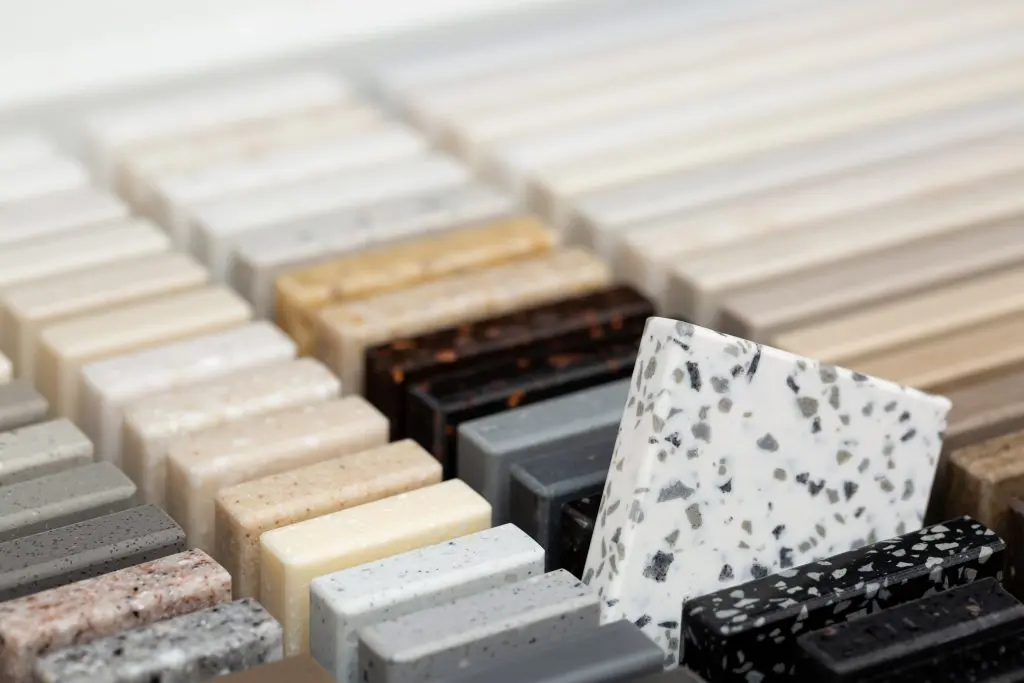
What Are the Steps Involved in Sealing Natural Stone Countertops?
Sealing natural stone countertops is a straightforward process, but it requires attention to detail to ensure proper protection. Here’s a step-by-step guide:
- Clean the Surface: Start by thoroughly cleaning the countertop with a pH-neutral cleaner designed for natural stone. This removes any dirt, grime, or residue that could prevent the sealant from adhering properly. It’s crucial to avoid using harsh chemicals or acidic cleaners that can damage the stone surface or leave residues that interfere with the sealing process.
- Allow the Surface to Dry: After cleaning, allow the countertop to dry completely. Any moisture on the surface can interfere with the sealing process. Depending on the humidity level and the type of stone, this drying process can take several hours. Ensuring the surface is completely dry is vital for achieving the best results.
- Apply the Sealant: Using a clean cloth, sponge, or brush, apply the sealant evenly across the countertop. Make sure to cover the entire surface, paying extra attention to the edges and corners where water and other substances are more likely to accumulate. It’s important to apply the sealant in a thin, even layer to avoid streaking or an uneven finish.
- Let the Sealant Absorb: Allow the sealant to penetrate the stone for the recommended amount of time, usually around 15 to 20 minutes. Some stones may require multiple coats for optimal protection. During this time, ensure that the surface remains undisturbed to allow the sealant to bond properly with the stone.
- Wipe Off Excess Sealant: After the sealant has been absorbed, use a clean, dry cloth to wipe off any excess product from the surface. This helps to prevent streaks or a hazy finish. It’s important to remove any excess sealant promptly to avoid creating a sticky or uneven surface.
- Allow the Sealant to Cure: Finally, allow the sealant to cure for the time specified by the manufacturer, usually 24 to 48 hours, before using the countertop. During this curing period, avoid placing any heavy objects on the countertop or exposing it to water or other liquids.
For those visiting Granite Depot of Columbia, as one of the premier granite stores in Lexington, SC, all the necessary products and advice are readily available to help you seal your countertops effectively. Our team can provide guidance on choosing the right sealant for your specific stone type and ensuring that the sealing process is done correctly.

How Can You Tell When Your Countertops Need to Be Resealed?
Knowing when to reseal your countertops is key to maintaining their appearance and durability. There are a few simple tests and signs that can indicate it’s time to reseal.
Water Test: As mentioned earlier, the water test is a quick and easy way to check if your countertops need resealing. Sprinkle water on the surface and observe how it behaves. If the water doesn’t bead up and instead soaks into the stone, it’s time to reseal. This test can be performed periodically, especially if you notice any changes in the appearance or performance of your countertops.
Staining: If you notice that your countertops are becoming more prone to staining, even from light-colored liquids, this is a strong indication that the sealant has worn off and the stone is absorbing substances. Staining is a clear sign that the protective barrier provided by the sealant is no longer effective.
Dullness: A significant loss of shine or the appearance of dull spots on the countertop surface can also suggest that the sealant is no longer effective. Regular sealing helps maintain the stone’s natural luster. If your countertops appear dull or lifeless, it may be time to reseal them to restore their original beauty.
Texture Change: If the stone feels rougher or more textured than it did when first installed, it could be a sign that the surface needs resealing. Properly sealed stone should feel smooth to the touch. Changes in texture can indicate that the sealant has worn away, leaving the stone more vulnerable to damage.
For homeowners frequenting Granite Depot of Columbia, as one of the leading granite stores in Lexington, SC, regular maintenance checks are crucial. Ensuring your countertops are properly sealed not only enhances their appearance but also extends their lifespan. By staying vigilant and addressing sealing needs promptly, you can prevent costly repairs and keep your countertops looking their best for years to come.
Conclusion
Sealing natural stone countertops is a vital part of their maintenance, ensuring they remain beautiful and functional for years to come. By understanding the importance of sealing, how often it should be done, the steps involved, and how to recognize when resealing is necessary, you can protect your investment in natural stone countertops. Granite Depot of Columbia is here to provide expert advice and top-quality products for all your sealing needs. Whether you’re shopping at granite stores in Lexington, SC, or maintaining your existing countertops, we’re here to help you every step of the way.
Remember, regular sealing not only protects your countertops from stains and damage but also enhances their natural beauty and longevity. Trust Granite Depot of Columbia to guide you through the process, ensuring your countertops remain a stunning and durable feature in your home. Contact us today to learn more about our sealing products and services.