


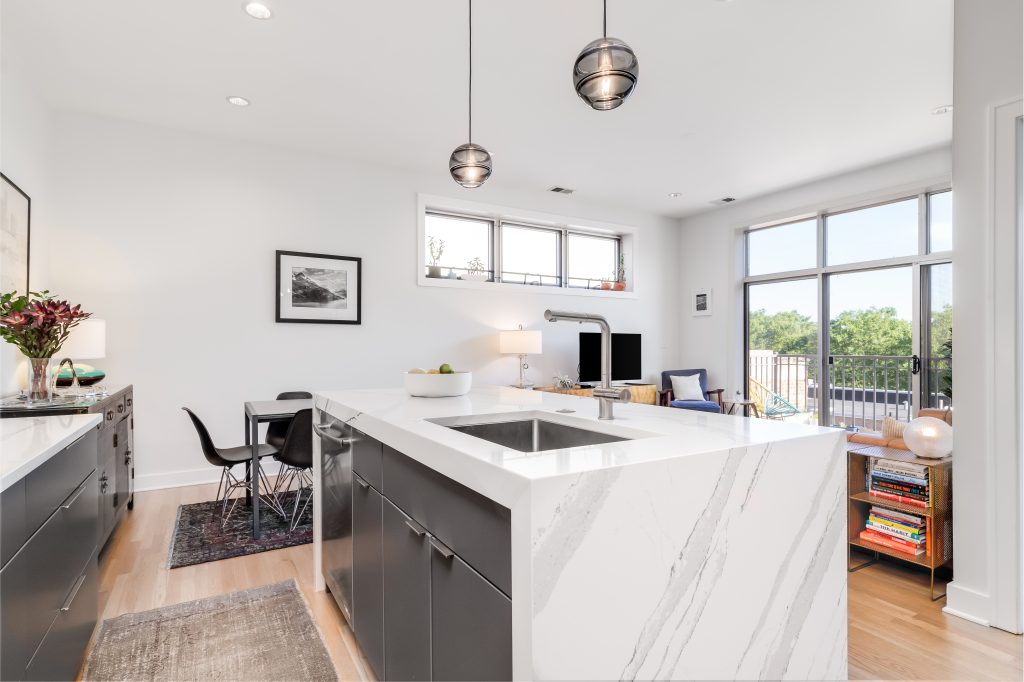
When homeowners first install quartz countertops, the effect can feel almost dramatic. The surface looks flawless — smooth, consistent, luminous under kitchen lighting. There are no visible pores, no dramatic imperfections, no rough textures interrupting the design. Everything feels precise and modern.
But kitchens are not showrooms. After five years of real cooking, cleaning, gatherings, and everyday life, many homeowners begin to ask a natural question: does quartz still look as good as it did on day one?
The honest answer is that quartz usually ages remarkably well, but the way it evolves depends heavily on how the kitchen is used. Quartz is engineered specifically to resist many of the issues that affect natural stone. Because the material is non-porous, liquids such as coffee, wine, or cooking oils rarely penetrate the surface. That means most stains simply never appear.
Granite Depot of Columbia often explains that after five years, most quartz countertops still look visually very similar to the day they were installed. The color remains stable, the pattern remains consistent, and the polished finish continues to reflect light across the kitchen.
However, what changes is not the stone itself but the way it interacts with daily habits. Micro-scratches from heavy cookware may appear under very bright lighting. Small signs of wear can develop near frequently used areas like the sink or the main prep zone. These changes are usually subtle and rarely visible from normal viewing distance.
For homeowners researching countertop installers in Union, SC, understanding the realistic timeline of quartz performance helps set expectations. Quartz is not a material that dramatically transforms with age. Instead, it maintains stability — and that stability is exactly why so many homeowners choose it.
How Does Daily Kitchen Life Affect Quartz Surfaces Over Time?
A kitchen is a living environment. It experiences heat, moisture, pressure, cleaning chemicals, and constant movement. Quartz was designed specifically to withstand these conditions, but five years of activity inevitably leave small traces.
The areas that tend to show the most change are the places where hands and tools interact with the surface most frequently. The section near the sink sees repeated exposure to water and cleaning agents. The prep area may encounter cutting boards, mixing bowls, and heavy utensils.
Granite Depot of Columbia often tells homeowners that quartz surfaces behave almost like durable glass in these conditions. They resist stains and moisture extremely well, but they still respond to friction. Dragging rough ceramic cookware across the surface repeatedly may create faint abrasion marks over long periods.
This is not structural damage. It is simply the natural consequence of a hard working surface supporting everyday life.
If you’re in search of countertop installers in Union, SC, professionals will usually emphasize that quartz is one of the most forgiving countertop materials available. Five years of cooking rarely produce visible deterioration. Instead, the countertops settle naturally into the rhythm of the household.
In fact, many homeowners report that quartz becomes easier to maintain over time because cleaning routines become familiar. The surface requires no resealing and no special treatments beyond basic care.
Five years later, the kitchen does not feel worn. It simply feels lived in.
Do Quartz Countertops Lose Their Shine Over Time?
One of the most common concerns homeowners have about quartz involves the finish. When quartz countertops are first installed, they often display a polished, reflective surface that catches kitchen lighting beautifully. The question is whether that shine fades with age.
The answer depends primarily on how the surface is cleaned and used. Quartz is manufactured with a polished finish created during production rather than through natural polishing processes used with stone like granite or marble. Because of this, the shine is stable and does not rely on sealers or surface coatings.
Granite Depot of Columbia often reassures clients that quartz does not “wear down” in the same way some natural stones might if exposed to acidic substances. However, harsh chemical cleaners can leave residue that dulls the appearance of the surface. In many cases, what appears to be a loss of shine is simply buildup from cleaning products.
Homeowners working with countertop installers often discover that switching to gentler cleaners restores the original brightness of their quartz countertops. Warm water, mild soap, and a soft cloth are typically all that is required to maintain the surface.
Another factor that influences shine is lighting. As kitchen lighting evolves — new bulbs, different fixtures, changing natural light patterns — the way quartz reflects light may appear slightly different. This can create the impression that the surface has changed when in reality the environment around it has shifted.
Five years later, the shine of quartz usually remains intact. It simply reflects the life of the kitchen around it.

What Maintenance Habits Matter Most After Several Years?
Quartz countertops are often marketed as low maintenance, and in many ways that description is accurate. However, “low maintenance” does not mean “no awareness.” The habits developed during the first few years of ownership often determine how the countertops look a decade later.
Granite Depot of Columbia encourages homeowners to focus on three simple practices: protecting the surface from extreme heat, avoiding abrasive cleaning pads, and wiping spills before they sit for extended periods. While quartz resists stains effectively, prolonged exposure to certain substances can create discoloration if left unattended.
Homeowners exploring countertop installers in Union, SC often ask whether quartz requires resealing like granite or marble. The answer is no. Quartz’s engineered structure eliminates the need for sealing entirely. This is one reason many families prefer it for busy kitchens.
After five years, the most noticeable benefit of quartz is consistency. The surface continues to perform exactly as expected. It does not suddenly require special treatments or professional restoration. Maintenance remains simple and predictable.
The countertop becomes part of the background of daily life — reliable, durable, and visually stable.
Do Homeowners Still Love Their Quartz Countertops Years Later?
Interestingly, the five-year mark often reveals something unexpected. Homeowners stop thinking about their countertops altogether. Not because the surface has become less beautiful, but because it has proven itself dependable.
Granite Depot of Columbia frequently hears from clients years after installation. The conversations rarely revolve around problems. Instead, they often begin with statements like, “The countertops still look great,” or “We hardly have to worry about them.”
This reliability is a powerful quality in a kitchen environment where many materials demand constant attention. Cabinets may require adjustment, appliances eventually age, and paint colors evolve with trends. Quartz countertops, by contrast, tend to remain visually stable.
For families working with countertop installers, that long-term consistency becomes one of the biggest advantages of quartz. The countertop does not compete with the design of the kitchen. It supports it quietly.
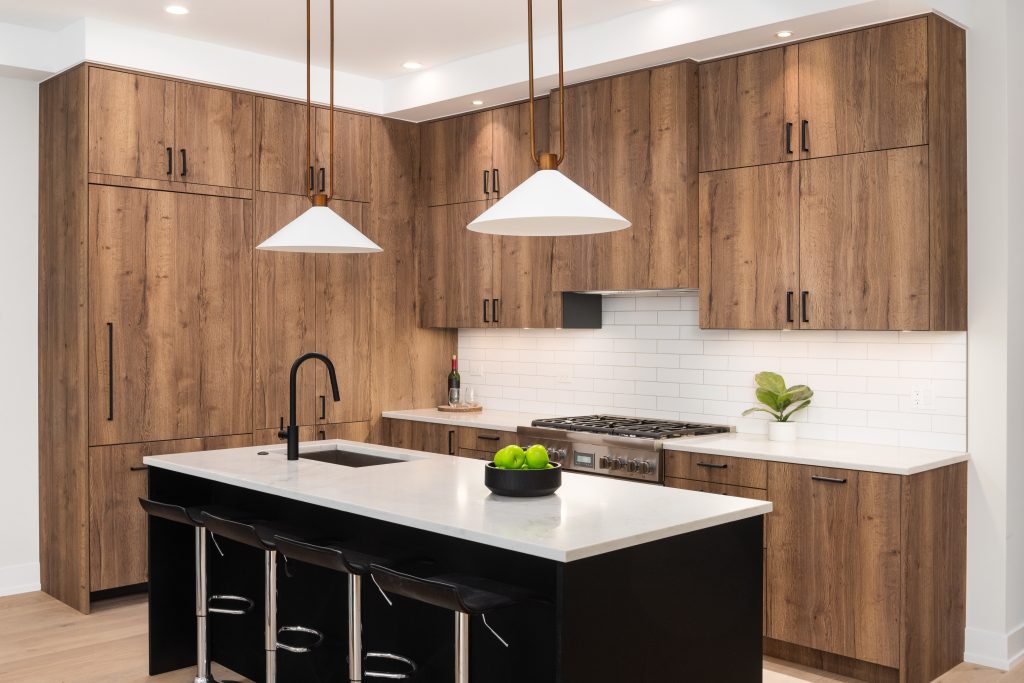
Five years later, the kitchen may look slightly different — perhaps new hardware, different lighting, or updated decor — but the countertops remain the calm center of the space.
What Does the Long-Term Future of Quartz Look Like?
Five years is only the beginning of a countertop’s lifespan. Quartz surfaces are engineered to last decades when installed properly and used responsibly. Because the material resists moisture, staining, and structural cracking, it continues to perform well long after the initial excitement of renovation fades.
Granite Depot of Columbia approaches quartz installation with this long-term perspective in mind. Precision fabrication and proper support ensure that the countertops remain stable even after years of daily pressure from appliances, cookware, and household activity.
Homeowners choosing countertop installers in Union, SC often think about how their kitchens will look not just in five years but in ten or fifteen. Quartz supports that vision by offering durability without demanding constant care.
The real story of quartz countertops after five years is not dramatic transformation. It is quiet reliability. The surface continues to function, continues to reflect light, continues to anchor the kitchen design.
And perhaps that is the most powerful feature of quartz. In a room where so many things change — recipes, routines, family schedules — the countertops remain exactly what they were meant to be: strong, clean, and dependable.
Over time, that reliability becomes invisible. But in a kitchen, invisible reliability is often the greatest luxury of all.