

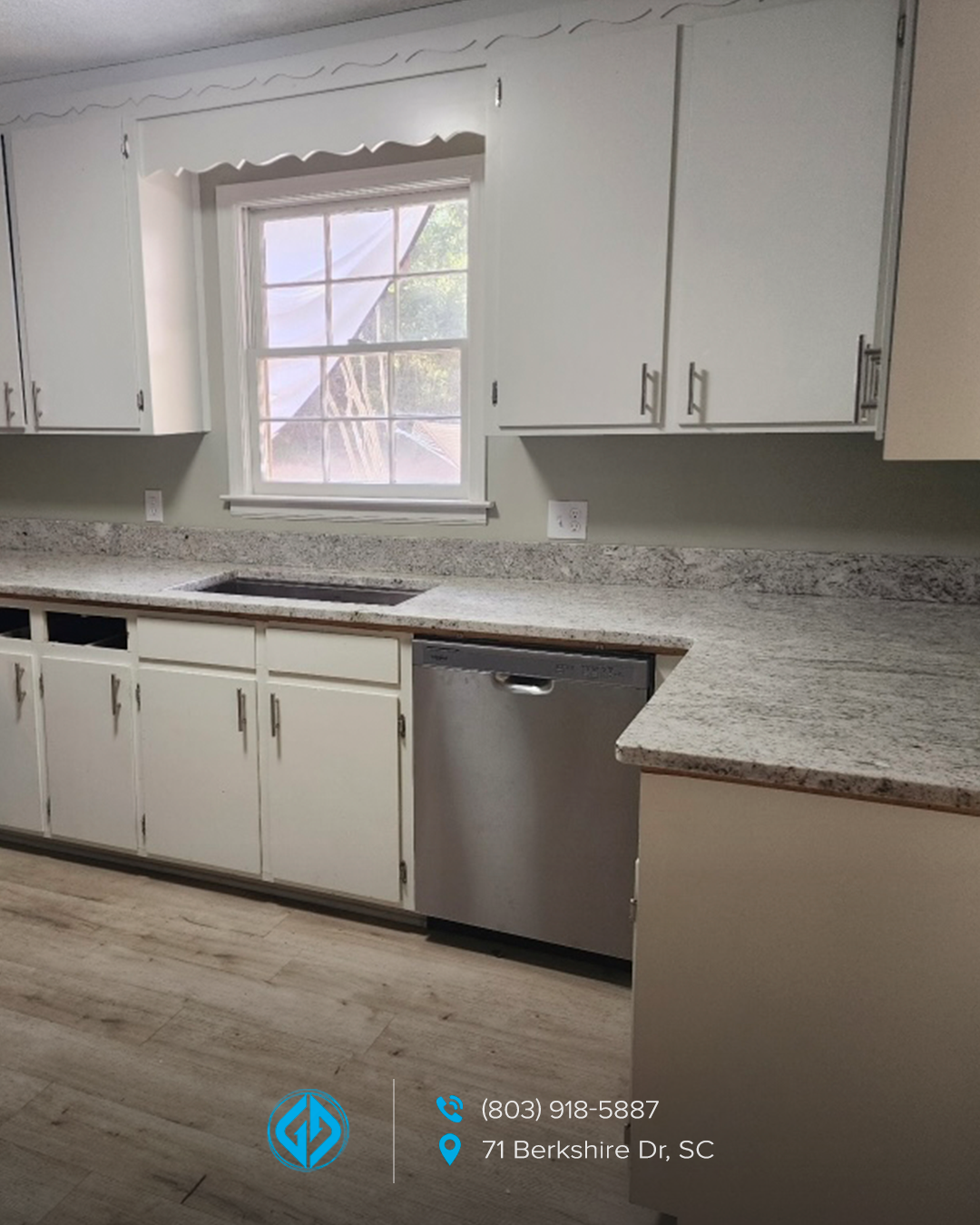
At first glance, granite seems simple: a natural stone slab, polished, durable, and visually strong. Yet homeowners often notice something subtle when visiting different kitchens. Two spaces can use granite, similar cabinet colors, and similar layouts, but one feels welcoming while the other feels formal and distant. The difference rarely comes from size or price. It comes from perception.
Warmth in a kitchen is not temperature. It is emotional response. The eye interprets pattern density, contrast, and movement before the brain identifies the material itself. Granite with balanced variation creates a soft visual rhythm, allowing the gaze to travel across the surface without interruption. Highly uniform or extremely high-contrast stone can appear rigid because the eye stops repeatedly instead of flowing.
Granite Depot of Columbia often explains to homeowners that natural stone behaves almost like fabric in interior design. Some textiles invite touch, others signal distance. Granite works the same way visually. Stones with medium-scale mineral patterns tend to feel comfortable because they mimic patterns found in nature such as sand, soil, and weathered rock formations. When the brain recognizes familiar visual complexity, the space feels settled.
This becomes particularly clear for clients exploring granite kitchen countertops in Batesburg-Leesville, SC. Many arrive focused only on color, usually asking for light versus dark. After viewing full slabs, they realize warmth depends less on brightness and more on visual balance. A dark stone with gentle variation can feel softer than a stark white surface with sharp contrast lines.
The inviting kitchen is rarely accidental. It is the result of visual continuity that allows the countertop to participate in the room rather than dominate it.
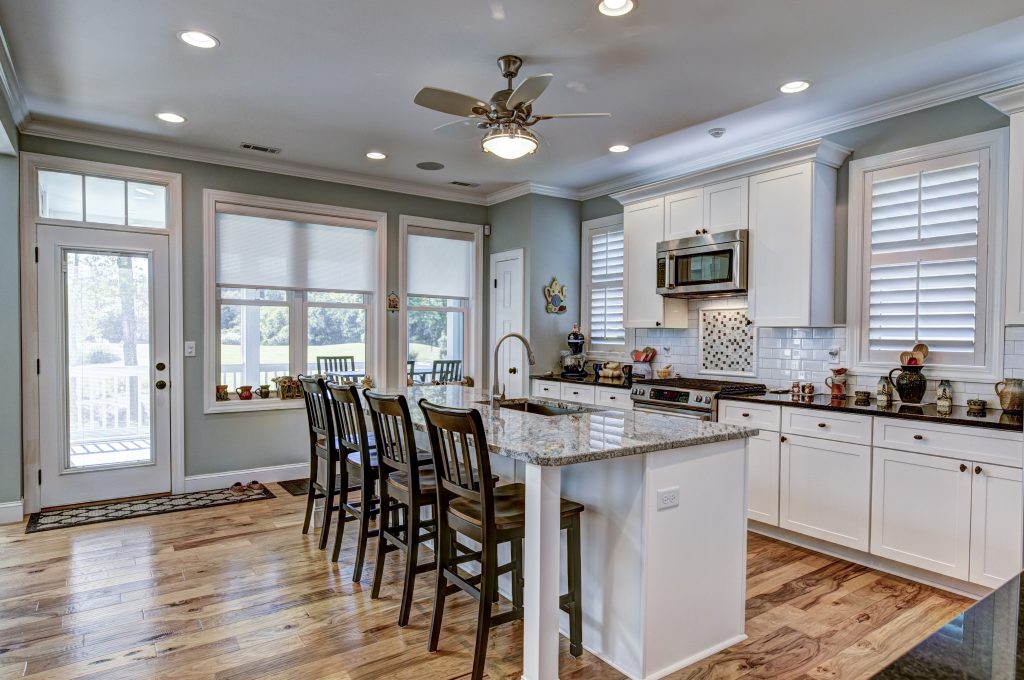
How Does Finish Change the Atmosphere of Granite?
Finish dramatically changes perception even when the slab remains identical. Polished granite reflects light clearly, emphasizing color variation and increasing contrast. Honed or leathered finishes scatter light instead, softening transitions between minerals. The difference is psychological before it is aesthetic.
Highly reflective surfaces create formality because reflections sharpen edges and highlight activity. This makes the kitchen feel precise and structured. Soft finishes absorb reflections and reduce visual noise, which makes the environment calmer. People often interpret calm as warmth.
Granite Depot of Columbia frequently shows the same stone in multiple finishes so homeowners can experience the shift rather than imagine it. Many expect polished to look richer but feel surprised when they prefer the relaxed atmosphere of a softer finish. The material itself has not changed, yet the emotional tone of the room transforms.
Homeowners considering granite kitchen countertops in Batesburg-Leesville, SC often discover that comfort comes from subtlety. A leathered surface allows light to spread instead of bounce, making overhead lighting gentler and evening lighting more ambient. This reduces visual contrast between countertop, cabinetry, and surrounding surfaces.
Warm kitchens tend to minimize glare. When reflections soften, people focus on interaction rather than surfaces. The countertop stops behaving like an object and starts behaving like part of the room’s environment.
Does Color Temperature Matter More Than Color Itself?
People often categorize granite as warm or cool based on obvious hues like beige or gray. However, color temperature is influenced more by undertones than primary color. A gray stone containing brown or gold mineral traces reads warmer than a beige stone containing blue undertones.
The human eye detects undertones subconsciously. Even if a homeowner cannot name the difference, they feel it immediately. Kitchens that feel comfortable often contain repeated undertones across materials: cabinet stain, flooring grain, wall color, and countertop minerals subtly echo each other.
Granite Depot of Columbia helps clients compare slabs beside flooring samples and cabinet finishes rather than under showroom lighting alone. A stone that looked neutral by itself suddenly feels warm when its undertones connect to surrounding materials. Without that connection, even beautiful granite can feel detached.
This is a common discovery among people researching granite kitchen countertops. They may arrive wanting contrast but later choose harmony because it creates continuity. The room begins to read as one composition rather than separate parts assembled together.
Warmth emerges when nothing feels isolated. Granite becomes inviting when it visually belongs.

Why Does Pattern Movement Affect Comfort?
Movement refers to how minerals travel across the slab. Some stones display dramatic directionality, drawing the eye strongly from one point to another. Others distribute variation evenly. Strong movement can look striking in photos but may feel restless in daily life because the eye constantly follows lines instead of resting.
Kitchens used every day benefit from visual stability. Gentle, cloud-like patterns allow attention to shift naturally toward people and activity. The surface supports the environment instead of competing with it.
Granite Depot of Columbia often recommends viewing full slabs rather than samples for this reason. A small sample exaggerates pattern intensity because edges compress the visual field. On a full slab, movement becomes smoother and more readable. Many homeowners change preferences once they experience scale.
For families choosing granite kitchen countertops in Batesburg-Leesville, SC, this realization explains why some kitchens feel comfortable immediately. The countertop provides visual background rather than focal tension. It frames the space instead of directing it.
Comfort is often the absence of distraction. Granite that guides the eye gently allows conversation and cooking to become the focus.
How Do Lighting and Installation Influence Warmth?
Even the perfect slab can feel cold if installed without considering light. Directional lighting emphasizes contrast, while diffused lighting softens texture. Under-cabinet lighting angle, bulb temperature, and distance from the backsplash all influence perception.
Warm kitchens typically use layered lighting so granite changes subtly throughout the day. Morning light highlights mineral detail. Evening light blends tones together. The stone appears alive rather than static.
Granite Depot of Columbia coordinates installation details carefully because seam placement, edge profile, and overhang proportions also affect comfort. A sharp, squared edge appears architectural. A softened edge feels approachable because it mirrors natural erosion patterns the eye associates with familiarity.
Homeowners planning granite kitchen countertops often notice that the same material looks entirely different once properly installed and lit. The transformation is not decorative but atmospheric. The kitchen gains depth rather than brightness.
Warmth comes from integration. When lighting and installation respect the stone’s character, the countertop stops feeling like a surface and starts feeling like part of the home.
Why Do Some Kitchens Feel Comfortable Immediately?
Immediate comfort usually means visual expectations were met subconsciously. Materials relate to each other, reflections remain soft, and patterns flow naturally. Granite contributes to that response because its natural variation prevents sterility.
Granite Depot of Columbia sees homeowners relax during the selection process once they stop searching for perfection and start noticing balance. Instead of asking which slab is the most dramatic, they ask which feels easiest to live with. That question almost always leads to warmer results.
People exploring granite kitchen countertops in Batesburg-Leesville, SC often discover that inviting kitchens rely on subtle coordination rather than bold statements. Texture, undertone, movement, and light work together quietly. The countertop does not need to stand out to be beautiful. It needs to belong.
Warmth is not created by one feature. It appears when every visual element agrees. Granite simply becomes the foundation that allows the rest of the kitchen to feel human rather than staged.