

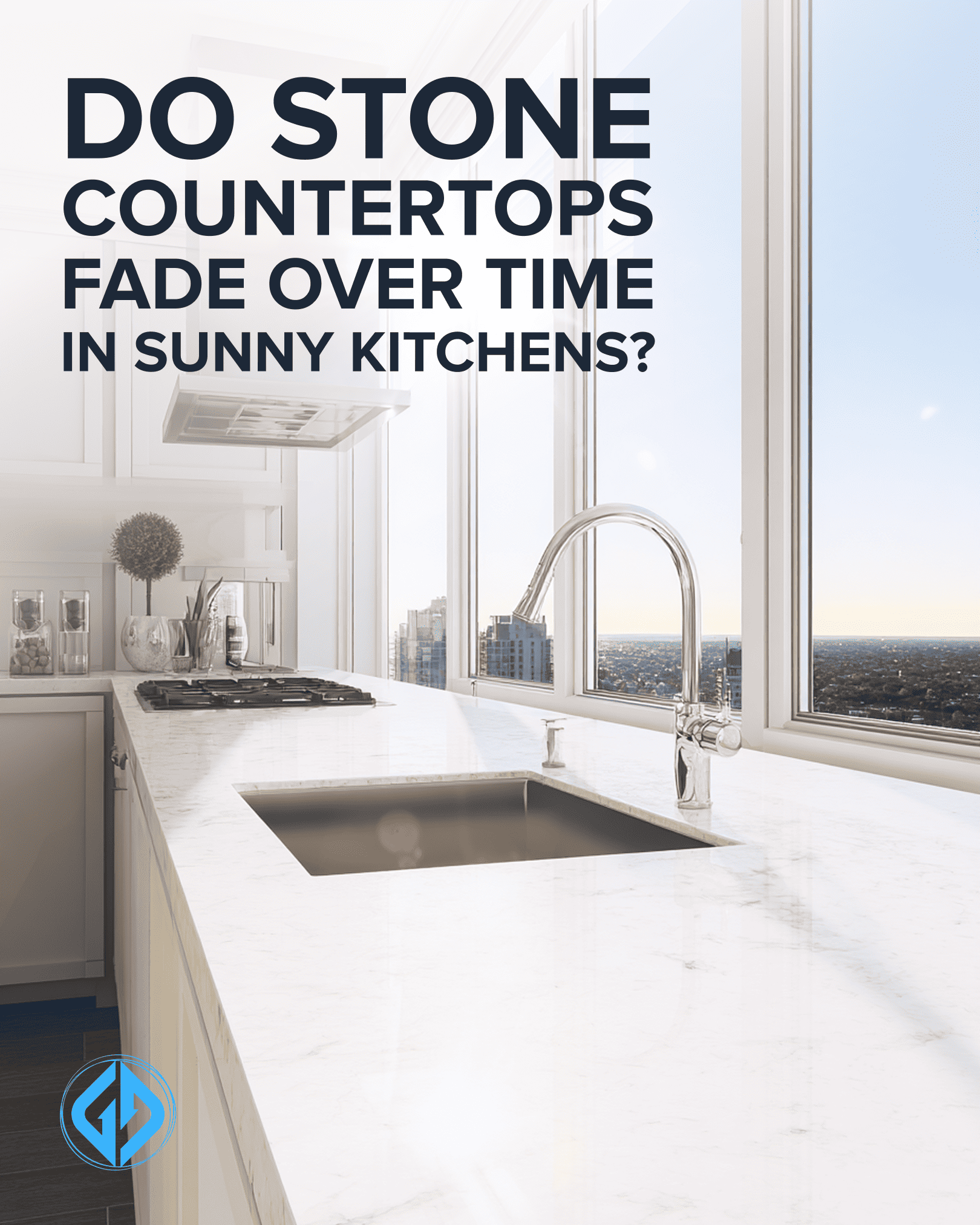
Sun-filled kitchens are often the most loved spaces in a home. Morning coffee happens there, afternoon light stretches across the island, and in the evening the entire room glows warm without artificial lighting. Yet this same sunlight raises a common concern: will natural stone gradually lose its depth, richness, or contrast after years of exposure?
Homeowners frequently imagine sunlight as something that slowly “bleaches” surfaces the way it affects fabric or painted furniture. Because countertops are a permanent feature rather than a replaceable accessory, the idea can feel risky. Granite Depot of Columbia regularly hears clients worry that a bright, open kitchen might shorten the lifespan of their investment. In reality, stone behaves very differently from synthetic finishes. Understanding why removes much of the uncertainty surrounding long-term appearance.

Does Sunlight Actually Change Natural Stone Color?
Natural stone forms under intense geological pressure and heat over thousands or millions of years. The minerals inside granite, marble, and quartzite are crystalline structures rather than pigments sitting on a surface. This matters because sunlight primarily affects materials where color exists as a coating or dye. Paint fades because ultraviolet radiation breaks chemical bonds in pigments. Fabrics fade because fibers contain reactive dyes. Stone color, however, exists throughout the entire slab.
When sunlight touches granite or marble, it does not reach a thin decorative layer. It interacts with mineral grains that extend deep into the material. For noticeable fading to occur, the crystal structure itself would need to break down, which requires conditions far beyond residential lighting. Even kitchens with large south-facing windows rarely approach the intensity required to alter those minerals.
What homeowners sometimes interpret as fading is actually environmental contrast. Cabinets darken slightly over time, wall paint ages, and flooring changes tone. Against those evolving elements, the countertop appears lighter even though it has not changed. The stone remains stable while surrounding finishes shift. This visual effect leads to a misconception that the countertop is losing color.
This is especially relevant for clients researching marble kitchen countertops in Batesburg-Leesville, SC, where bright kitchens are common. The marble itself maintains its internal veining and background tone, but the environment around it matures, making the difference more noticeable than expected.
Why Do Some Countertops Look Duller After Years?
Dullness is often mistaken for fading. Instead of color loss, the surface experiences micro-film buildup. Over time, residue from cleaners, hard water minerals, and airborne kitchen oils can settle on the stone. The stone beneath remains unchanged, but reflections soften, reducing contrast and depth. Once cleaned properly, the original appearance returns.
Another factor is lighting angle. New countertops are viewed under controlled conditions — freshly installed, perfectly clean, and surrounded by new finishes. Years later, lighting may be warmer, cabinets slightly aged, and the room more lived-in. The stone appears calmer rather than dramatic. Many homeowners later realize they actually prefer this softened character because it feels natural rather than showroom-sharp.
Granite Depot of Columbia often explains that natural stone matures visually the way hardwood flooring does. The structure remains stable, but perception evolves. Rather than degrading, the material integrates into the home’s atmosphere.
For homeowners comparing materials, this stability is one reason many still choose marble kitchen countertops in Batesburg-Leesville, SC despite concerns about brightness and exposure. The stone’s visual depth does not depend on surface coatings, so time changes context more than the material itself.

Can Sealing or Finishing Affect How Stone Ages in Sunlight?
Yes, but not in the way people expect. Sealers do not prevent fading because fading is not occurring in the stone. Instead, sealers prevent moisture absorption and staining. In sunny kitchens, temperature variation can slightly increase evaporation rates on the surface. A properly sealed stone ensures that spills evaporate rather than penetrate.
Finish also matters. Polished stone reflects light sharply, making it appear brighter throughout the day. Honed surfaces diffuse light, creating a softer appearance. Neither fades, but the honed finish hides environmental changes more easily because reflections remain consistent even as surrounding elements age.
This is why some kitchens appear to “change tone” over time. The stone itself remains constant while reflections adjust with lighting patterns across seasons. Morning winter light differs from summer afternoon light. A polished surface emphasizes these shifts, while a honed surface keeps the perception stable.
Homeowners exploring marble kitchen countertops in Batesburg-Leesville, SC often discover that finish choice influences long-term satisfaction more than sunlight exposure. Selecting a finish aligned with lighting conditions prevents the impression of change that might otherwise be interpreted as fading.
Are Dark Stones More Resistant to Sun Exposure Than Light Stones?
Interestingly, both behave similarly. The belief that darker stone resists fading better comes from experience with painted materials, where darker pigments break down faster. Natural stone does not rely on pigments, so color depth does not determine stability.
However, darker stones may appear more consistent because small environmental changes are less noticeable on high-contrast patterns. Lighter stones reveal dust, reflections, and minor residue more clearly, which sometimes creates the illusion of variation. When cleaned, they return to their original look.
In very bright kitchens, lighter stone often performs better visually because it balances incoming light rather than absorbing it. Instead of glare, the surface produces a soft diffusion. Many homeowners initially worry that white or light marble will change fastest, but the opposite perception often occurs: it looks the same year after year while darker cabinetry shifts around it.
Granite Depot of Columbia frequently reassures clients that sunlight is not a deciding factor between dark and light selections. The decision should depend on style, contrast preference, and daily use patterns rather than fear of fading.
What Should Homeowners Expect After 10 or 15 Years?
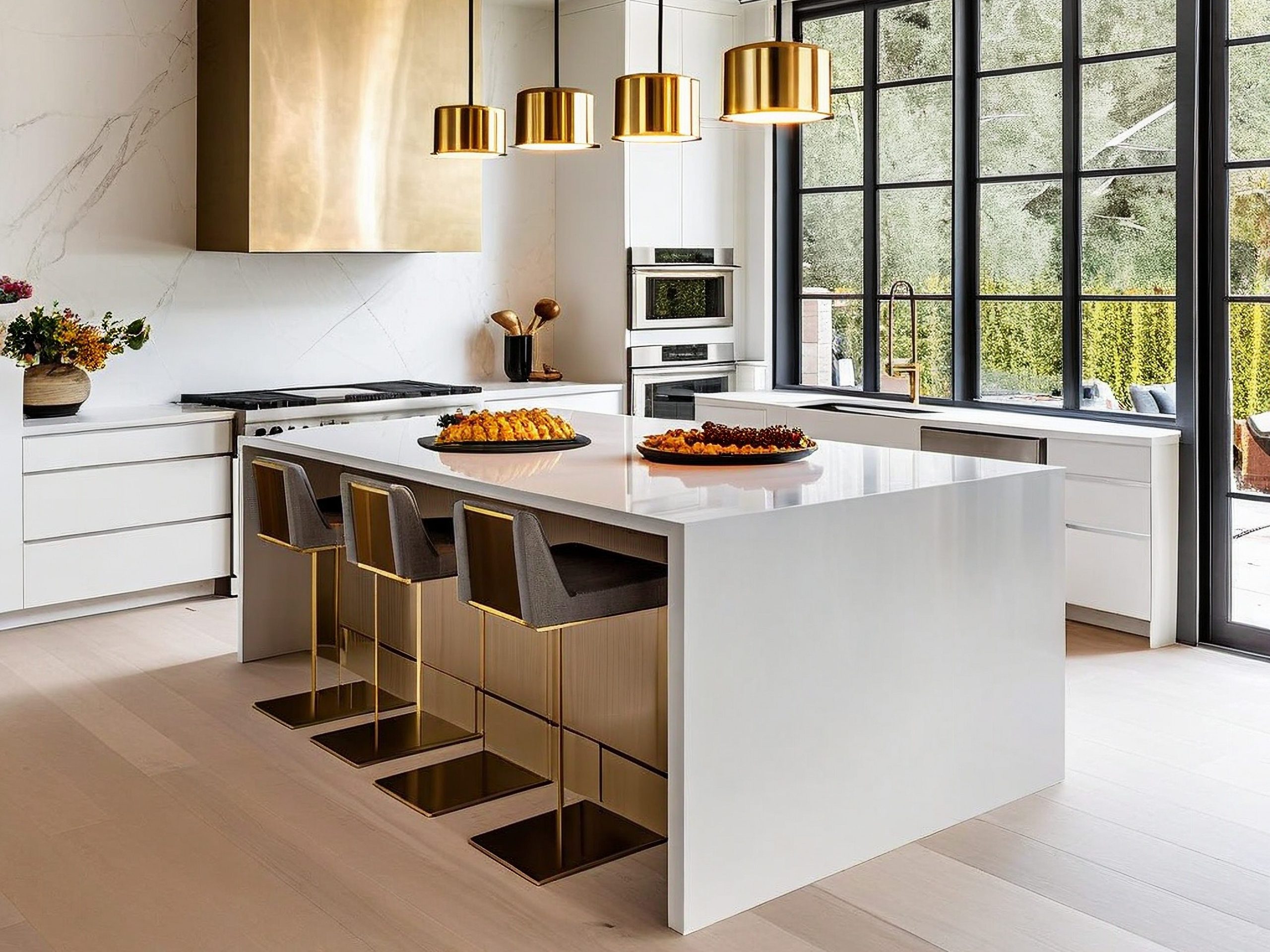
Instead of fading, most natural stone countertops develop familiarity. The sharp contrast of a newly installed slab becomes integrated into daily life. Edges remain crisp, veining remains intact, and color depth stays consistent. What changes is emotional perception. The countertop stops looking new and starts looking permanent.
This permanence is often interpreted positively. Many homeowners later say the stone feels more authentic after years of use because it no longer competes with the rest of the interior. The kitchen evolves around it, but the stone remains a constant reference point.
Those researching marble kitchen countertops in Batesburg-Leesville, SC sometimes expect maintenance to preserve a “brand new” appearance indefinitely. In reality, satisfaction comes from stability rather than preservation. The surface should not look newly installed forever; it should look naturally established.
Granite Depot of Columbia emphasizes that durability in stone means visual continuity. Unlike synthetic materials that slowly lose coating clarity, natural stone keeps its structure and pattern. Time enhances familiarity rather than diminishing quality.