

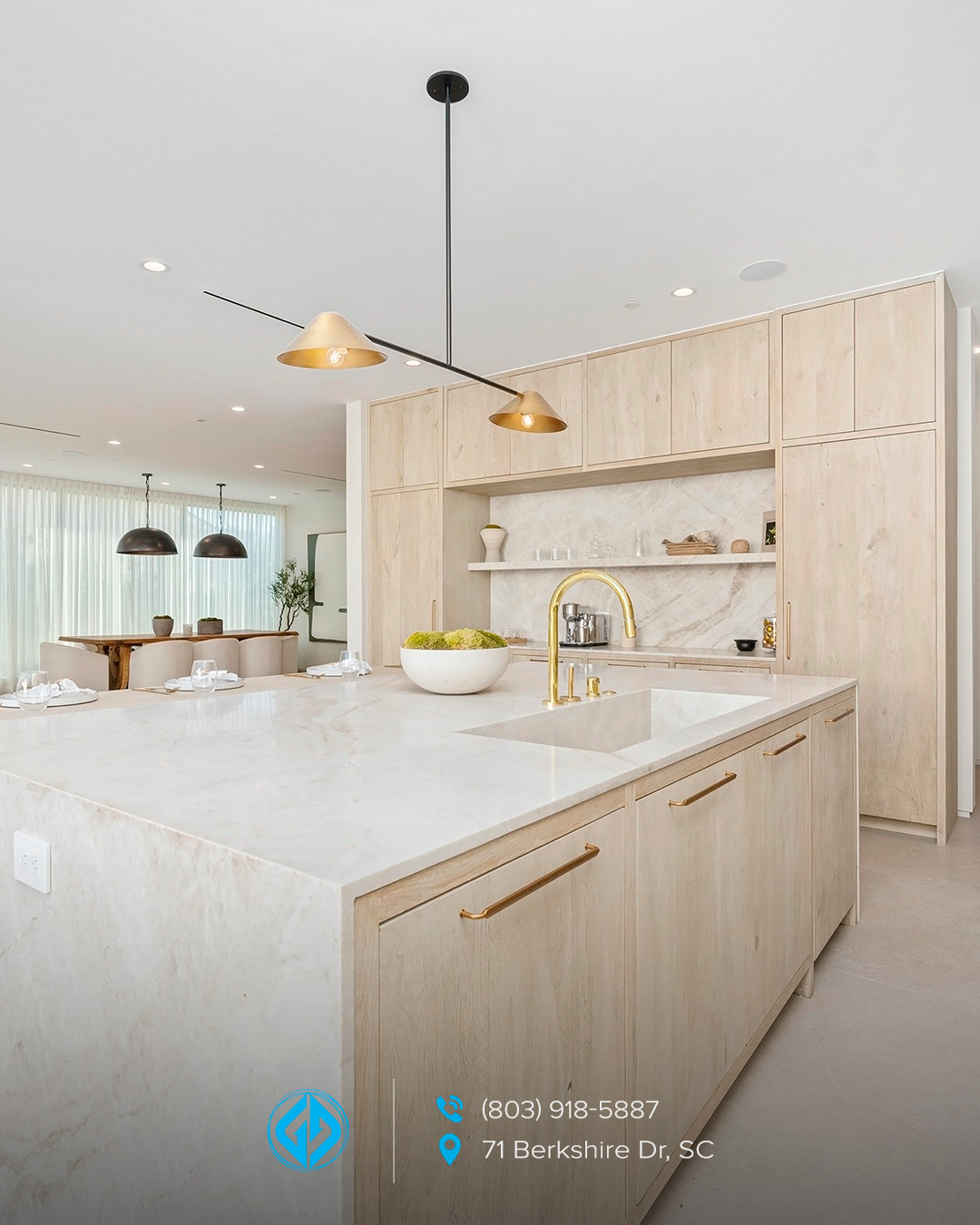
A waterfall edge is one of those design choices that instantly changes how a kitchen feels. Instead of the countertop stopping at the cabinet line, the stone continues vertically down the side of the island, creating a continuous surface. The effect can look architectural, sculptural, and calm at the same time. Yet homeowners often discover something unexpected during planning: some waterfall edges look perfectly fluid, while others reveal visible transitions that interrupt the illusion.
The difference rarely comes from installation quality alone. More often, it comes from understanding how different stones behave visually. Many people assume any slab can simply be folded downward and achieve the same effect. In reality, pattern movement, mineral distribution, and surface structure determine whether the eye reads the surface as one uninterrupted plane or as two separate pieces joined together.
Granite Depot of Columbia regularly explains that the waterfall edge is less about cutting stone and more about choosing stone intelligently. Homeowners searching through granite countertop stores in Batesburg-Leesville, SC are often surprised to learn that two slabs of the same color can behave completely differently once turned vertically. A seamless appearance begins long before fabrication — it begins at selection.
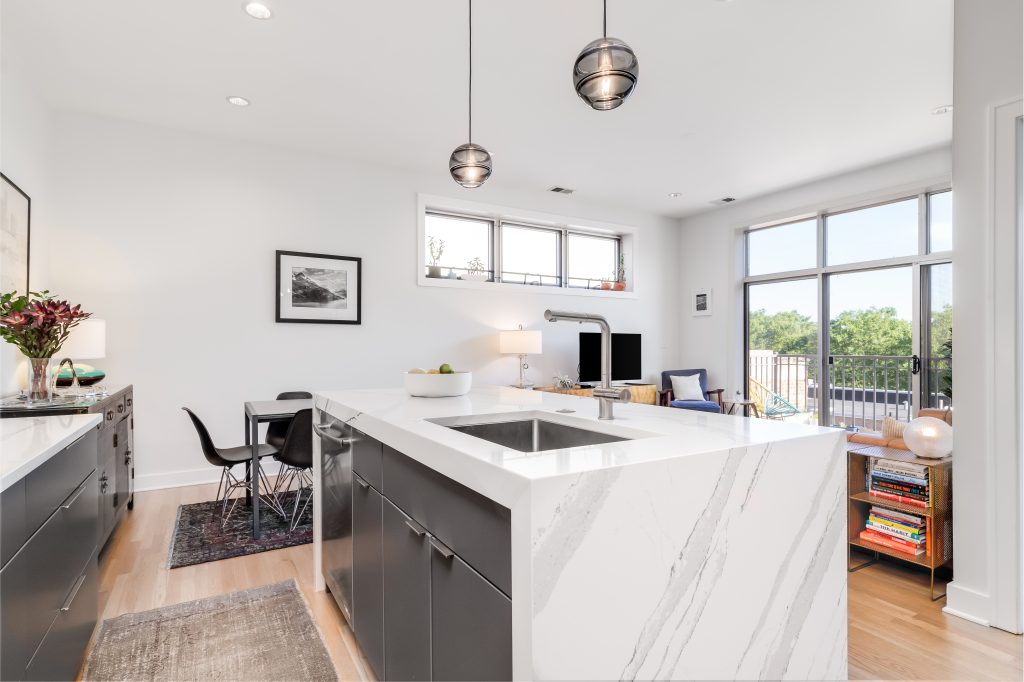
Why Do Some Stones Naturally Look Continuous While Others Do Not?
Stone is not printed. It is geological history compressed into a slab. Every mineral vein travels through the block at a natural angle, not at a designer’s convenience. When a slab is cut and rotated downward for a waterfall edge, the direction of those veins determines whether the eye sees continuity or interruption.
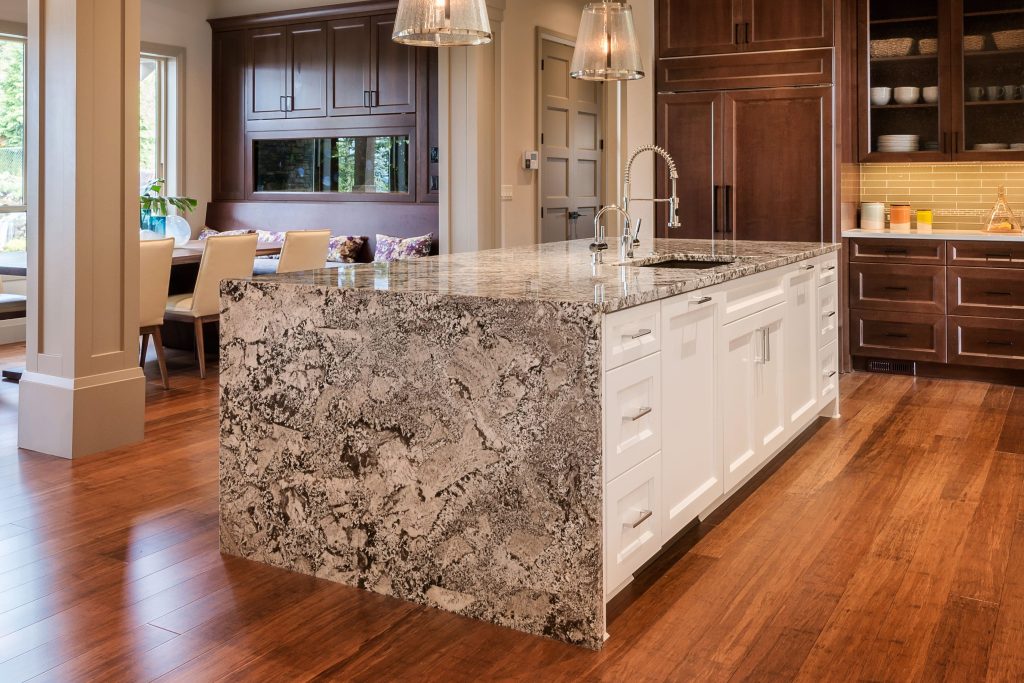
Granite with granular movement tends to hide transitions well. Its pattern is dispersed and multidirectional. When folded vertically, the human eye struggles to pinpoint where one plane ends and another begins. This creates a softer, calmer waterfall effect.
Marble and quartzite, on the other hand, often feature directional veining. This can be spectacular but demanding. If the veins run diagonally, the fabricator must align them precisely so the line appears to flow downward instead of stopping abruptly at the corner. A mismatch of even a few millimeters can make the waterfall appear disconnected.
This is why homeowners browsing granite countertop stores in Batesburg-Leesville, SC should not choose stone based on color alone. The structure of the pattern matters more than the shade. A calm pattern may produce a more seamless result than a dramatic one, even if both are technically installed perfectly.
Is Dramatic Veining a Bad Choice for Waterfall Edges?
Not at all. Dramatic veining can create the most breathtaking waterfall installations when planned correctly. The vertical drop becomes a canvas where the veins appear to cascade downward like natural artwork. However, dramatic veining removes the margin for error. Precision becomes critical.
To achieve a continuous look, the fabricator must cut the slab so the vertical section is a direct continuation of the horizontal surface. This process is called vein matching. It requires careful mapping before cutting, because once the slab is cut incorrectly, the illusion cannot be recreated.
Granite Depot of Columbia often walks homeowners through slab layout before fabrication because understanding the flow visually changes expectations. Many homeowners initially choose a slab for its bold contrast, only to realize they prefer a softer waterfall once they see how directional veins behave in three dimensions.
If you’re visiting granite countertop stores, look at slabs vertically, not just flat. Imagine where the drop will occur. The most successful waterfall edges are chosen standing up, not lying down.
Does Surface Finish Affect the Seamless Appearance?
Yes, significantly more than most people expect. The finish determines how light interacts with the seam.
Polished stone reflects light evenly across surfaces. This can either hide or emphasize a seam depending on alignment. When vein matching is precise, polished finishes amplify continuity beautifully. When alignment is slightly off, the reflection highlights the break.
Honed and leathered finishes behave differently. They diffuse light rather than mirror it. This softens transitions and can make seams far less noticeable, especially on heavily textured granite. In many cases, a leathered finish makes a waterfall edge feel carved from a single block rather than assembled.
People exploring granite countertop stores in Batesburg-Leesville, SC often focus only on color and forget to evaluate finish under lighting conditions similar to their kitchen. But the finish plays a huge role in whether the waterfall feels architectural or assembled.
Do Thicker Edges Automatically Look More Seamless?
Thickness changes perception, not continuity. A thicker mitered edge can make the stone feel more substantial, but it does not guarantee invisibility of the transition. In fact, thicker profiles require even more precise alignment because the seam line becomes physically longer and more noticeable.
A thin 2cm waterfall with a calm pattern may look perfectly unified, while a thick mitered dramatic slab may reveal the join clearly if not carefully matched. The human eye follows lines, and the longer the line, the more attention it draws.
Granite Depot of Columbia advises homeowners to choose thickness based on architectural style rather than assuming thicker equals better. A modern kitchen often benefits from subtle transitions, while a bold contemporary space can support dramatic edges.
For homeowners evaluating granite countertop stores, the decision should be guided by visual balance. Seamlessness comes from pattern continuity first, fabrication precision second, and thickness last.
What Role Does Fabrication Planning Play in the Final Result?
Selection matters, but planning transforms potential into reality. Before cutting begins, the fabricator maps the slab and marks exactly where the corner will occur. The vertical piece is cut directly from the adjacent area so the pattern continues naturally downward.
Without this step, the waterfall becomes decorative rather than continuous. Many disappointing installations come from treating the vertical panel as a separate piece rather than a continuation of the same surface.
Granite Depot of Columbia emphasizes that the waterfall edge is one of the most planning-dependent features in a kitchen. Unlike standard countertops, mistakes cannot be visually forgiven. Precision determines whether guests see sculpture or assembly.
Homeowners who visit granite countertop stores in Batesburg-Leesville, SC often assume fabrication begins after purchase. In reality, the design process begins at the slab itself. A successful waterfall edge is designed, not simply installed.
Does Every Kitchen Benefit From a Seamless Waterfall Look?
Not necessarily. Some kitchens benefit from contrast rather than continuity. In traditional or transitional spaces, a subtle break between horizontal and vertical surfaces can frame cabinetry and prevent the island from dominating the room.
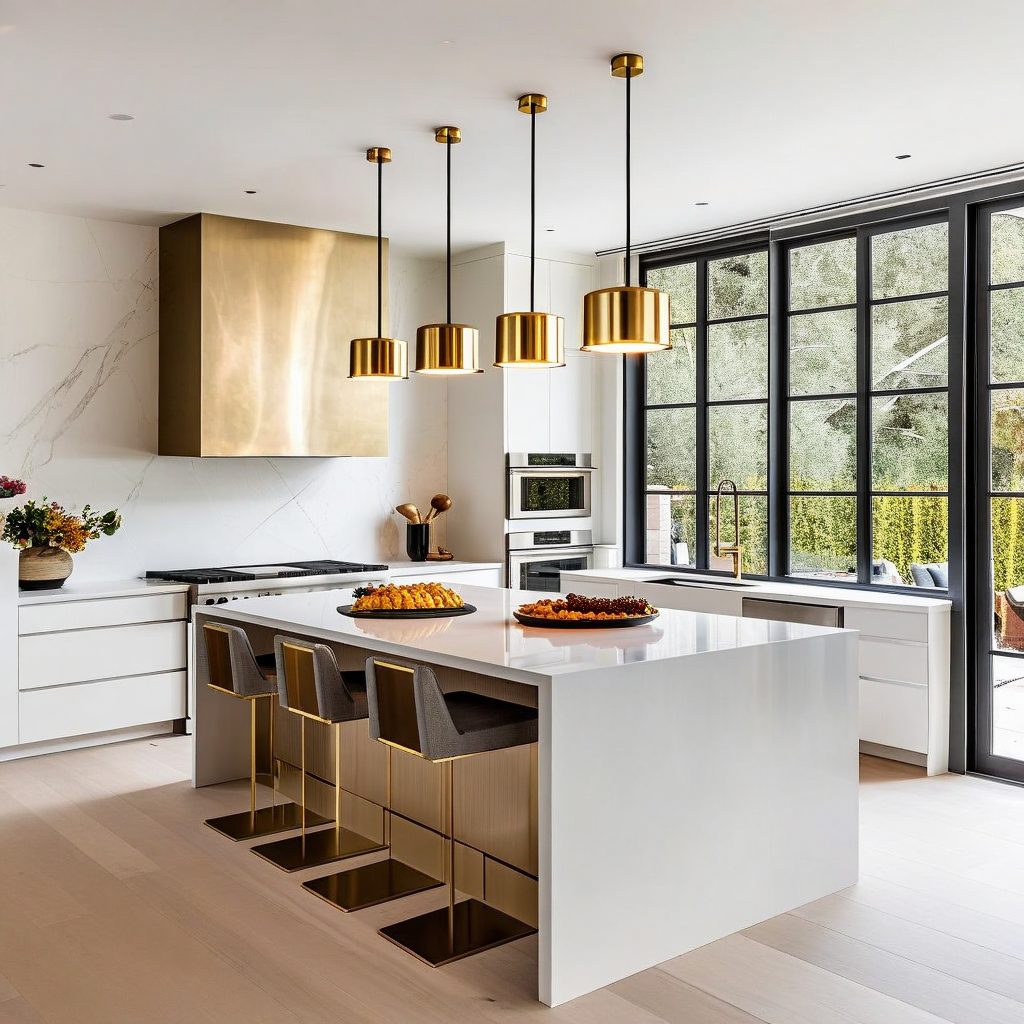
Seamless waterfalls shine in open-concept kitchens where the island functions as furniture rather than cabinetry. The uninterrupted surface allows the island to feel like an architectural element rather than a cabinet extension.
Understanding the role of the island helps determine how perfect the continuity must be. A focal island demands precision. A supporting island may not require strict vein matching to feel balanced.
Granite Depot of Columbia often encourages homeowners to think about the island as part of the room, not just part of the kitchen. When the waterfall aligns with the architecture, it looks intentional even if subtle seams exist.