

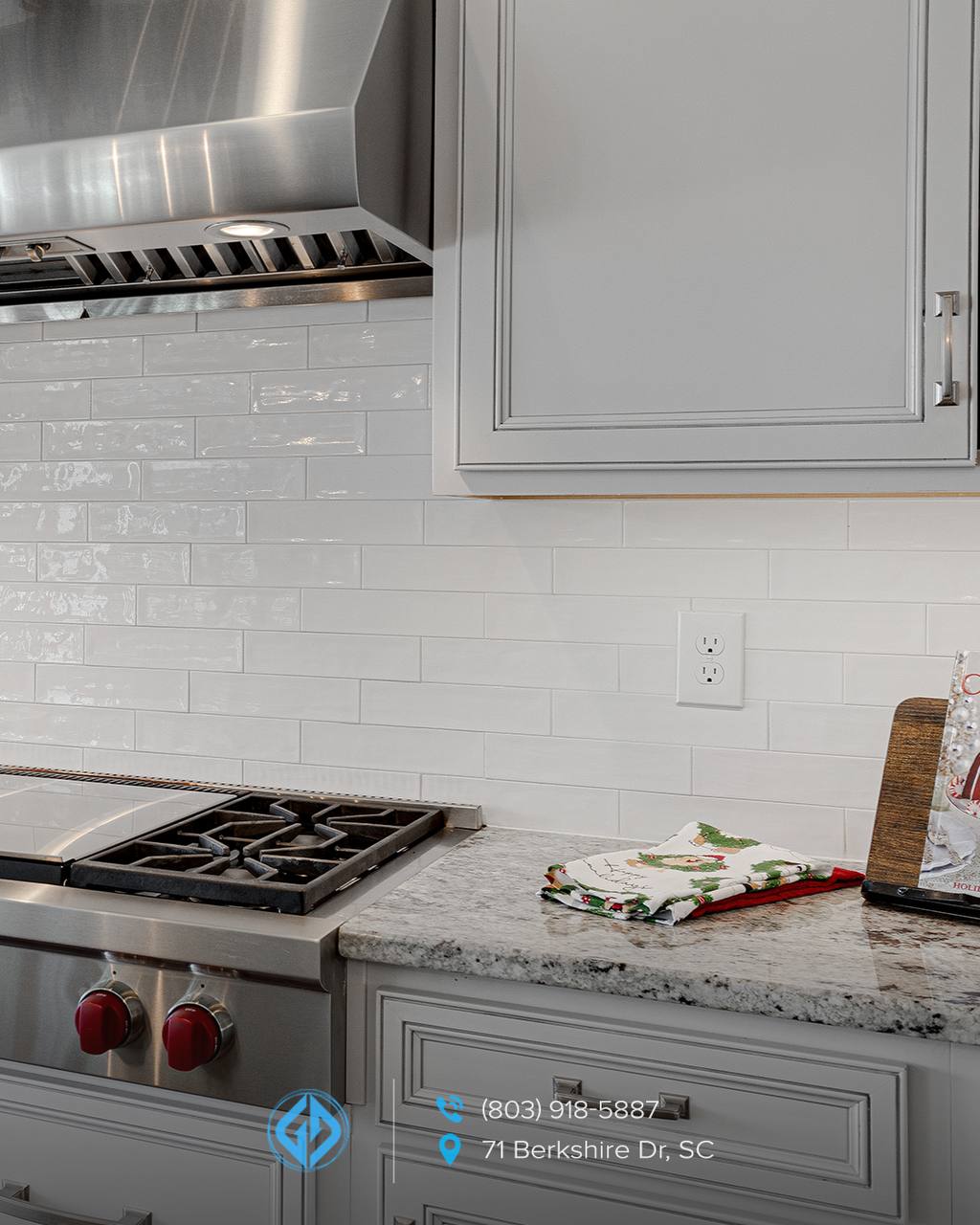
The idea that granite is “heatproof” is one of the most widely repeated claims in kitchen design. It sounds reassuring, almost absolute — as if granite can withstand anything without consequence. But real kitchens are not built on absolutes. They are built on how materials behave under daily use, not ideal conditions.
Granite Depot of Columbia often explains that granite is highly heat resistant, but that does not mean it is immune to every possible temperature scenario. Granite forms deep within the earth under extreme heat and pressure, which gives it a natural ability to tolerate high temperatures far better than most countertop materials.
For homeowners exploring granite countertops in Edgefield, SC, this means that placing a hot pan on the surface is unlikely to cause immediate damage. Unlike materials that can scorch, melt, or discolor quickly, granite remains stable under typical cooking conditions.
However, the concept of “heatproof” becomes more nuanced when real-life variables are considered. Rapid temperature changes, extremely high heat concentrated in one spot, or repeated exposure to intense heat over time can affect the surface, particularly if sealers or finishes are involved.
Granite does not fail under normal kitchen use. But understanding how it responds to heat helps homeowners use it with confidence rather than assumption.
What Happens When You Place a Hot Pan Directly on Granite?
This is the moment that defines how people interact with their countertops. A pan comes off the stove, still hot, and instinctively gets placed on the nearest surface. With granite, this action often raises questions — is it safe, or is it risky?
Granite Depot of Columbia frequently reassures homeowners that granite can handle brief contact with hot cookware. The stone itself is not likely to crack or burn under typical cooking temperatures. This is one of the reasons granite remains such a practical choice for active kitchens.
For those researching granite countertops in Edgefield, SC, this translates into flexibility. The countertop does not require constant protection for every interaction. It allows for natural movement within the kitchen, where not every action is carefully planned.
However, there is a distinction between occasional contact and repeated exposure. While a single hot pan is unlikely to cause damage, consistently placing extremely hot items in the same spot can create stress over time. This is particularly relevant for areas directly adjacent to the stove, where heat exposure is more frequent.
There is also the consideration of sealants. Granite is often sealed to enhance its resistance to stains. While the stone itself can handle heat, the sealant may be more sensitive to extreme temperatures. Prolonged exposure could potentially affect its performance.
Granite offers a level of forgiveness that many materials do not. But like any surface, it benefits from thoughtful use.
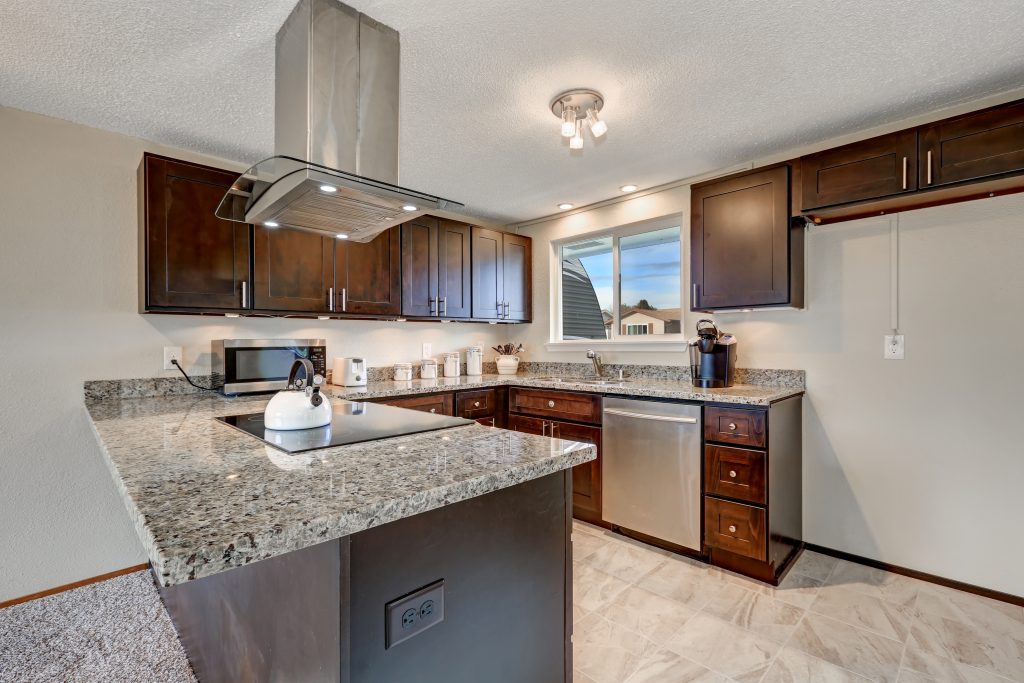
Does Heat Around the Stove Affect Granite Over Time?
The area around the stove is one of the most demanding zones in any kitchen. It is exposed to constant heat, steam, and occasional splashes of oil or water. Over time, these factors can influence how materials behave.
Granite Depot of Columbia often discusses this with homeowners who want to understand not just immediate performance, but long-term durability. Granite performs well in these environments because it is inherently stable. It does not warp, melt, or degrade under typical cooking conditions.
For homeowners considering granite countertops, this makes granite a reliable choice for stove areas. It can handle the combination of heat and activity without losing its structural integrity.
That said, the surrounding conditions still matter. Heat from burners, especially gas stoves, can create localized temperature differences. Steam and moisture can interact with the surface, particularly if the stone is not properly sealed.
Over time, these factors may influence the appearance of the countertop more than its strength. Slight changes in finish or subtle variations in sheen can occur, especially in areas that see the most use.
Granite does not deteriorate under these conditions. But like any material, it reflects how it is used.
Why Do Some Homeowners Still Use Trivets on Granite?
If granite can handle heat, why do so many homeowners still use trivets or protective surfaces? The answer lies not in necessity, but in preference.
Granite Depot of Columbia often explains that using trivets is less about protecting the stone from immediate damage and more about preserving its long-term appearance. While granite can tolerate heat, reducing direct exposure helps maintain consistency across the surface.
For those exploring granite countertops in Edgefield, SC, this approach offers an added layer of care without restricting how the kitchen is used. Trivets become a simple habit rather than a strict requirement.
There is also a psychological aspect to consider. Homeowners who invest in high-quality materials often prefer to take small precautions that help maintain their investment. Using a trivet is an easy way to do that without significantly changing daily routines.
At the same time, granite does not demand this level of protection. It allows for flexibility, accommodating both careful use and occasional shortcuts.
The choice to use trivets is not about limitation. It is about preference.

How Does Granite Compare to Other Materials Near the Stove?
When evaluating countertop materials for stove areas, heat resistance becomes one of the most important factors. Not all surfaces respond to heat in the same way, and this is where granite stands out.
Granite Depot of Columbia often compares granite to other materials to highlight these differences. Engineered surfaces, for example, may be more sensitive to heat due to the resins used in their composition. Direct contact with hot cookware can cause discoloration or damage in ways that granite typically avoids.
For homeowners researching granite countertops, this comparison reinforces granite’s practicality. It offers a level of durability that aligns with how kitchens are actually used.
Marble and quartzite also perform well in terms of heat resistance, but each material has its own characteristics. Marble, while capable of handling heat, may show changes in surface finish more easily. Quartzite offers a balance between durability and visual appeal, similar to granite.
Granite remains one of the most forgiving options because it combines strength with resilience. It does not require constant monitoring, allowing homeowners to focus on cooking rather than managing the surface.
Choosing the right material is not just about appearance. It is about how the material supports daily life.
What Should Homeowners Really Expect From Granite Around the Stove?
Expectations often shape how materials are perceived. If granite is expected to be completely indestructible, even minor changes can feel like failures. If it is understood as a durable but natural material, its performance becomes much easier to appreciate.
Granite Depot of Columbia encourages homeowners to approach granite with realistic expectations. It is strong, heat resistant, and capable of handling everyday use. It does not require constant protection, but it does benefit from reasonable care.
For homeowners considering granite countertops in Edgefield, SC, this means viewing granite as a partner in the kitchen rather than a fragile surface that needs to be managed carefully.
Granite allows for flexibility. It supports the rhythm of cooking, where not every action is planned in advance. It can handle heat, spills, and activity without immediate consequences.
At the same time, it rewards thoughtful use. Simple habits — wiping spills, avoiding prolonged heat exposure in one spot — help maintain its appearance over time.
In the end, granite is not about perfection. It is about balance. It offers strength without rigidity, durability without restriction.
And around the stove, where the kitchen is at its most active, that balance makes all the difference.