

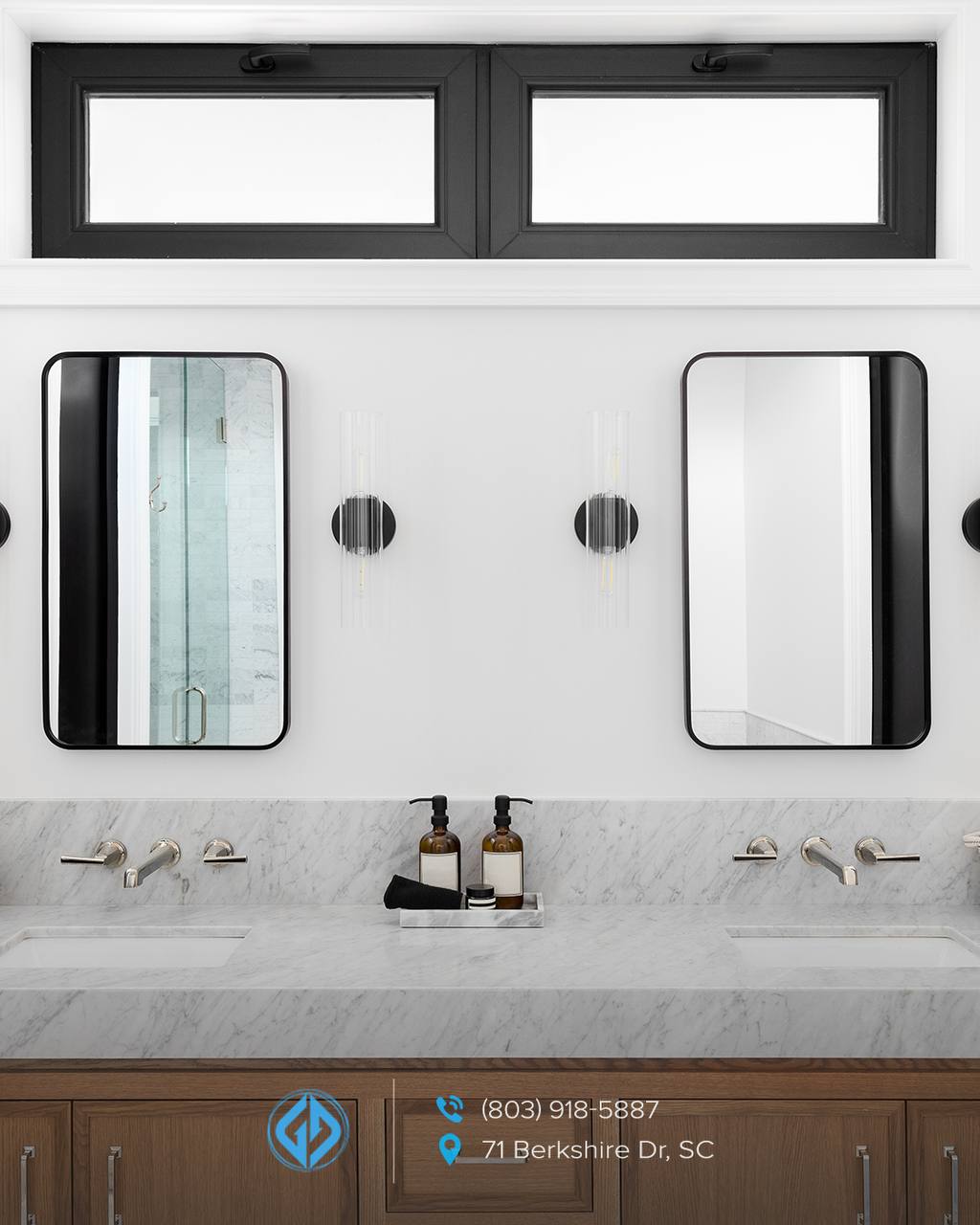
There is a moment that happens almost every time someone steps into a showroom filled with natural stone. They walk past engineered surfaces, clean and consistent, and then suddenly pause in front of a granite or marble slab. Something feels different. The surface seems deeper, more complex, almost as if it holds movement beneath it.
That reaction is not accidental. Natural stone carries a visual depth that comes directly from the way it forms in nature. Over millions of years, minerals crystallize, shift, compress, and interact under intense heat and pressure. These geological processes create layers, veins, and microstructures that reflect light in unpredictable ways.
Granite Depot of Columbia often explains that natural stone is not simply a surface — it is a record of geological time. Every slab contains variations that cannot be replicated exactly, even by advanced manufacturing technologies. These variations create a sense of depth that prevents the material from ever appearing flat.
For homeowners exploring granite stores in Union, SC, this quality becomes immediately noticeable when comparing natural stone to engineered alternatives. While synthetic surfaces may achieve visual consistency, they often lack the layered complexity that gives stone its distinctive presence.
Natural stone does not just sit within a kitchen. It interacts with light, movement, and the surrounding environment. That interaction is what makes it feel alive.

How Does Light Interact Differently With Natural Stone?
One of the key reasons natural stone never appears flat lies in how it responds to light. Unlike uniform materials that reflect light evenly across their surface, natural stone reflects light in multiple directions due to its crystalline structure.
Granite, for example, contains minerals such as quartz, feldspar, and mica. Each of these minerals reflects light differently. As light moves across the surface — whether from a window in the morning or pendant lighting in the evening — the stone reveals subtle changes in tone and brightness.
Granite Depot of Columbia frequently demonstrates this effect in the showroom by encouraging homeowners to view slabs from different angles. A stone that appears calm and understated from one perspective may reveal shimmering mineral flecks or deeper veining from another.
If you’re searching for granite stores in Union, SC, this dynamic quality becomes one of the most compelling reasons to choose natural stone. It ensures that the countertop never feels static or artificial.
Lighting also plays a role in emphasizing the depth of the stone. Natural daylight tends to highlight the organic patterns within granite or marble, while artificial lighting can enhance contrast and create visual drama.
In larger kitchens, where light sources change throughout the day, this interaction becomes even more pronounced. The countertop evolves visually as the lighting shifts, creating a sense of movement that synthetic materials rarely achieve.
Why Do Natural Variations Make Stone Look More Authentic?
Consistency is often seen as a positive quality in manufactured materials. Uniform color, predictable patterns, and smooth surfaces create a sense of control and precision. However, in natural stone, it is the absence of perfect consistency that creates beauty.
Every slab of granite, marble, or quartzite is unique. Even stones from the same quarry can differ in color, pattern, and mineral composition. These variations are not imperfections — they are the defining characteristics of the material.
Granite Depot of Columbia often works with homeowners who initially expect countertops to look identical to small samples they have seen. When they encounter full slabs, they begin to understand the true nature of stone. The patterns are not repeated or printed; they are formed organically.
For those researching granite stores, this uniqueness becomes one of the most valuable aspects of natural stone. No two kitchens will ever have exactly the same countertop, even if the same type of stone is used.
This individuality creates a sense of authenticity that synthetic materials struggle to replicate. Engineered surfaces can imitate patterns, but they often repeat those patterns across multiple slabs. Natural stone, by contrast, offers infinite variation.
That unpredictability is what makes stone feel real. It reflects the complexity of nature rather than the precision of manufacturing.

How Does Stone Movement Create Visual Depth in Kitchens?
Movement is one of the most important elements in natural stone design. The term refers to the way veins, mineral lines, and patterns flow across the surface of the slab. This movement guides the eye and creates a sense of dimension.
In granite and marble, movement can range from subtle mineral shifts to dramatic veining that stretches across large surfaces. These patterns create visual pathways that draw attention without overwhelming the space.
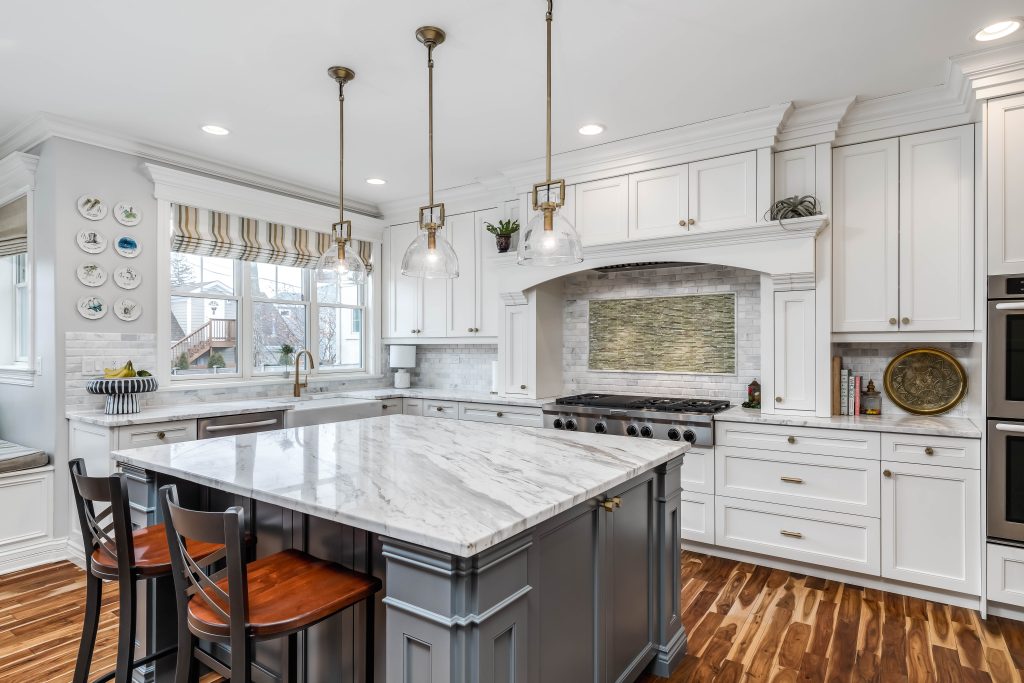
Granite Depot of Columbia often emphasizes that movement is what transforms a countertop from a functional surface into a design feature. In kitchens with large islands or long countertop runs, the flow of the stone becomes a central element of the room’s design.
If you’re exploring granite stores in Union, SC, viewing full slabs allows you to understand how movement will appear once installed. Designers often align the stone carefully so that veins flow naturally across the surface, especially in waterfall islands or extended countertops.
This continuous flow creates a sense of cohesion within the kitchen. The stone does not appear as a flat plane but as a surface with depth and direction.
Movement also helps balance other design elements. In minimalist kitchens, it adds interest without requiring additional decoration. In more traditional spaces, it enhances warmth and texture.
Natural stone brings dimension not through artificial layering but through patterns formed over geological time.
Why Do Engineered Surfaces Sometimes Appear Flat in Comparison?
Engineered materials are designed to provide consistency and predictability. While these qualities can be advantageous in certain applications, they often result in surfaces that appear more uniform and less dynamic.
Because engineered surfaces are produced in controlled environments, their patterns are often repeated across multiple slabs. Even when designed to mimic natural stone, these patterns can lack the subtle irregularities that create true depth.
Granite Depot of Columbia often explains that the difference becomes most noticeable in larger installations. In expansive kitchens, repeated patterns may become more obvious, reducing the sense of authenticity within the space.
For homeowners considering granite stores, comparing natural stone with engineered surfaces side by side reveals this distinction clearly. Natural stone displays variation at every level — from large veins to microscopic mineral structures. Engineered surfaces, while visually appealing, tend to maintain a more consistent appearance.
This consistency can sometimes result in a flatter visual effect. Without the layered complexity of natural materials, the surface may reflect light evenly rather than dynamically.
That is not necessarily a disadvantage, but it highlights why natural stone continues to stand out in luxury kitchen design. Its depth comes from natural processes rather than manufactured patterns.
Why Natural Stone Continues to Define High-End Kitchens
In modern kitchen design, materials play a significant role in shaping how a space feels. Natural stone remains one of the most sought-after materials because it brings together strength, beauty, and authenticity.
Granite Depot of Columbia often sees homeowners drawn to natural stone not just for its durability but for the atmosphere it creates. The surface adds depth to the kitchen, making the space feel more grounded and refined.
For those exploring granite stores in Union, SC, natural stone offers a combination of qualities that are difficult to replicate. It interacts with light, evolves visually throughout the day, and carries unique patterns that cannot be duplicated.
High-end kitchens often rely on materials that feel timeless rather than temporary. Natural stone has been used in architecture for centuries because it continues to perform both structurally and aesthetically.
The reason natural stone never looks flat or artificial is simple. It was never designed to be perfect. Its beauty lies in variation, movement, and the subtle imperfections that make it real.
In a world where many materials are manufactured to look identical, natural stone stands apart. It brings depth, character, and a sense of authenticity that transforms kitchens into spaces that feel truly alive.