

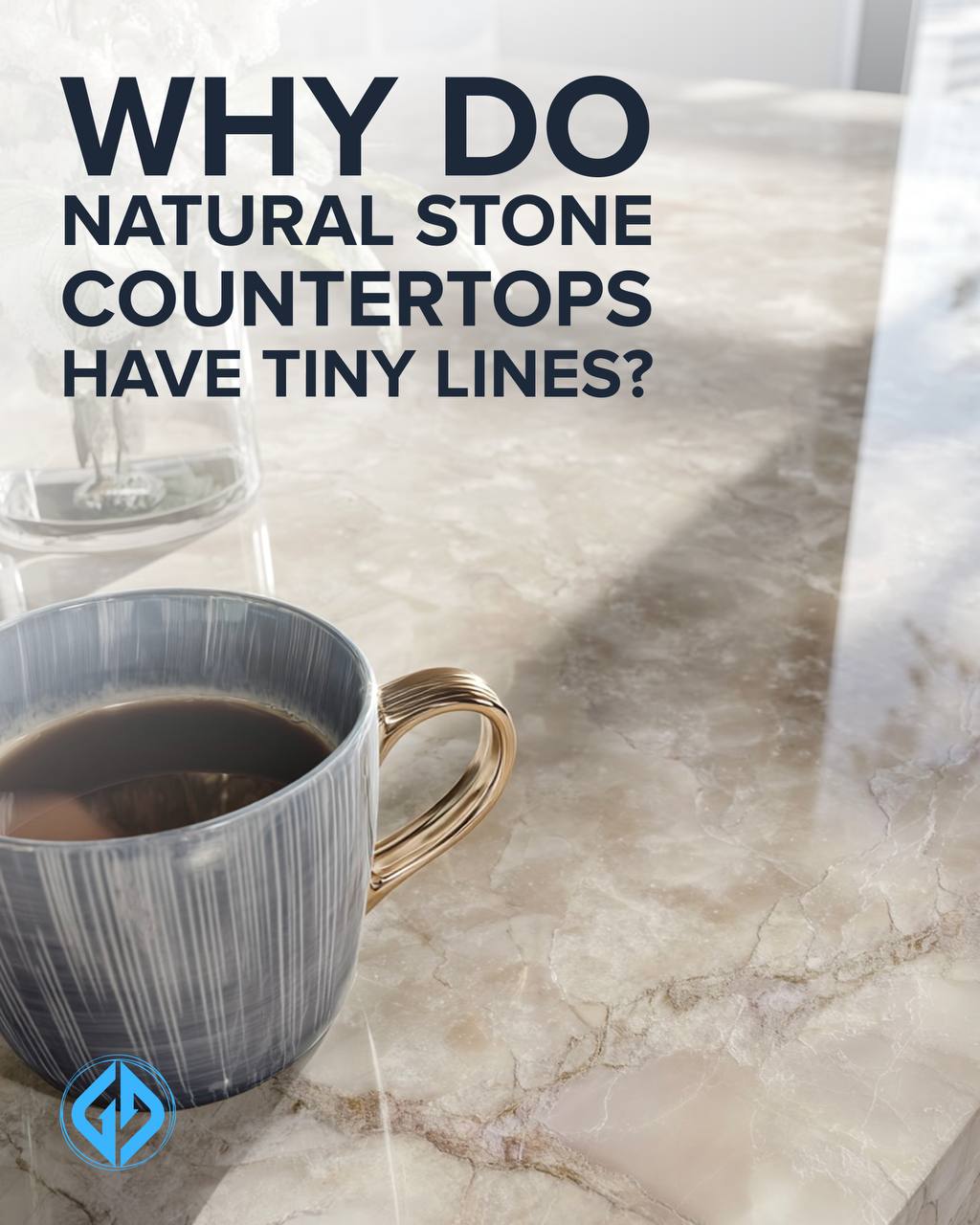
At first glance, natural stone countertops appear smooth, solid, and uniform. But as soon as light hits the surface at a certain angle, subtle details begin to emerge. Fine lines, delicate veins, and almost invisible threads run through the stone, creating patterns that seem both random and intentional at the same time.
These tiny lines are not defects. They are part of the stone’s identity.
Granite Depot of Columbia often explains to homeowners that these lines are the visible result of geological processes that took place millions of years ago. As stone forms deep within the earth, minerals crystallize, shift, and interact under intense heat and pressure. During this process, different mineral compositions settle in layers, creating natural separations and veins that later become visible on the surface.
Some lines are bold and dramatic, while others are so fine that they can only be seen up close. These micro lines add complexity to the stone, preventing it from ever looking flat or artificial.
For homeowners exploring custom granite countertops in Union, SC, these details often become one of the most appreciated features of natural stone. What might initially seem like an imperfection reveals itself as a unique signature — something that no manufactured material can replicate exactly.
Natural stone is not meant to be perfectly uniform. Its beauty lies in the variations that tell its story.
Are These Lines Cracks or Signs of Weakness?
One of the most common concerns homeowners have when they notice tiny lines in natural stone is whether those lines indicate damage or structural weakness. The word “line” can easily be mistaken for “crack,” especially for those unfamiliar with how stone forms.
Granite Depot of Columbia frequently reassures clients that most of these lines are not cracks at all. Instead, they are natural veins or mineral boundaries within the stone. These features are formed during the stone’s creation and are completely stable when the slab is properly selected and fabricated.
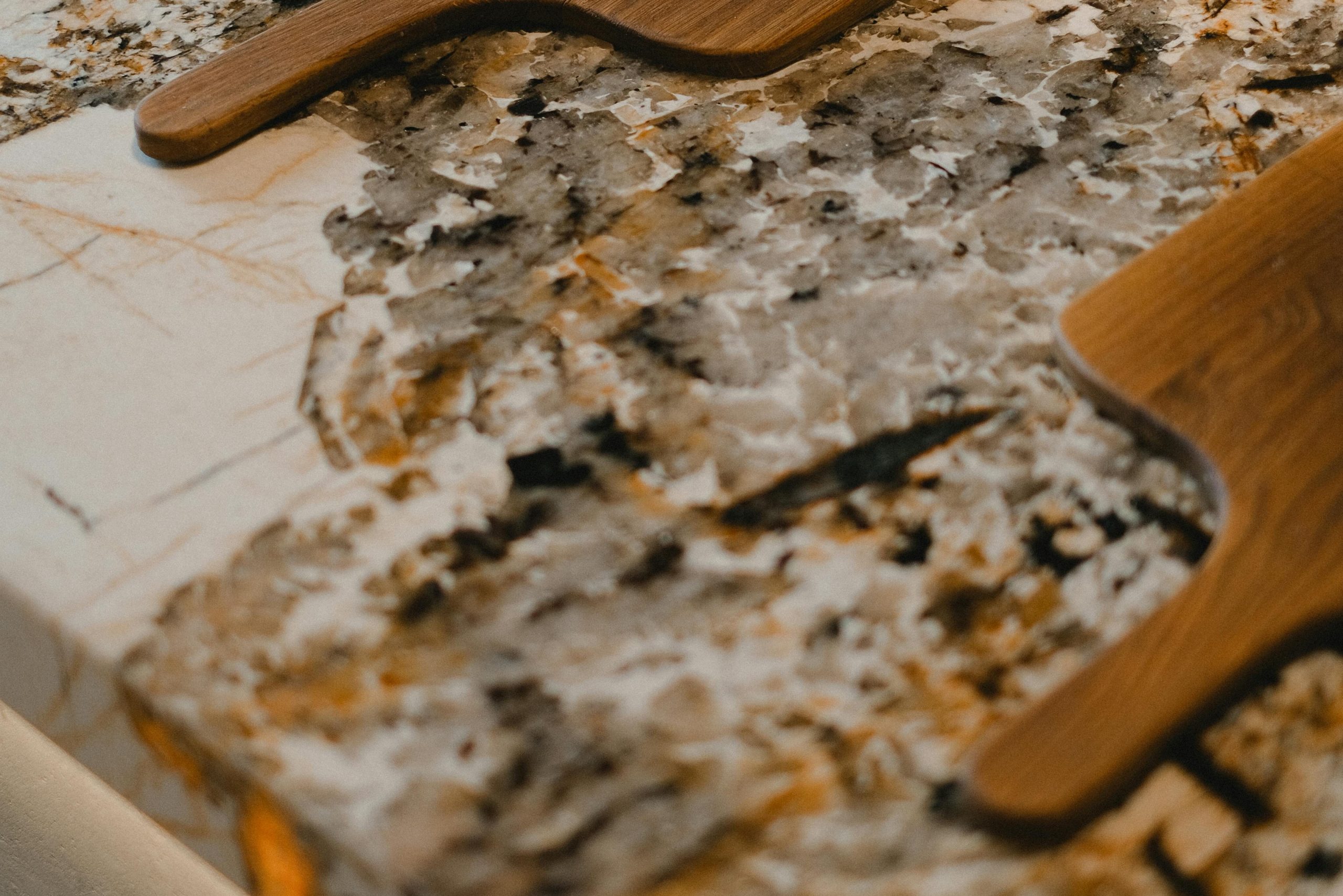
In granite, these lines often represent areas where different minerals meet. In marble, they appear as flowing veins created by mineral impurities that were present during formation. In quartzite, they can form subtle linear patterns that enhance the stone’s texture.
For homeowners considering custom granite countertops in Union, SC, understanding the difference between a natural vein and a structural crack is essential. Natural veins are smooth, integrated into the stone, and often polished to the same finish as the rest of the surface. Structural cracks, by contrast, would show signs of separation or instability.
Professional fabricators inspect slabs carefully before installation to ensure that the stone is structurally sound. When installed correctly, these natural lines do not weaken the countertop. In fact, they often enhance its visual depth and character.
The presence of lines in natural stone is not a flaw. It is a reflection of how the material was formed.
Why Do Some Stones Have More Visible Lines Than Others?
Not all natural stones display the same level of veining or fine lines. Some granite slabs appear almost uniform, while others are filled with intricate patterns that stretch across the entire surface. Marble, in particular, is known for its dramatic veining, while certain quartzites show subtle, layered textures.
The variation depends on the conditions under which the stone formed. Differences in temperature, pressure, mineral composition, and geological movement all influence how these lines develop.
Granite Depot of Columbia often explains that stones formed under stable conditions tend to have more consistent patterns, while those exposed to shifting geological forces develop more visible movement. These forces can create tension within the stone, leading to the formation of veins and lines that become part of its final appearance.
For homeowners exploring custom granite countertops, this means that no two slabs will ever look exactly the same. Even stones from the same quarry can display different levels of veining and line detail.
This unpredictability is part of what makes natural stone so appealing. It allows homeowners to choose a surface that reflects their personal style — whether they prefer a calm, uniform look or a bold, expressive pattern.
The lines within the stone are not random. They are shaped by natural forces that give each slab its own identity.

Do These Lines Affect How the Countertop Performs Over Time?
While the visual aspect of natural stone often draws the most attention, performance remains a critical factor in any kitchen or bathroom design. Homeowners want to know whether these lines will influence how the countertop behaves over time.
Granite Depot of Columbia emphasizes that, in most cases, natural veins and fine lines do not affect the durability of the stone. When properly fabricated and installed, the countertop remains strong and capable of handling everyday use.
For those considering custom granite countertops in Union, SC, it is important to recognize that durability depends more on the overall quality of the stone and the installation process than on the presence of visible lines.
Granite, for example, is one of the hardest natural stones used in countertops. Its mineral composition gives it excellent resistance to heat, scratches, and impact. The presence of veins or lines does not diminish these qualities.
However, certain types of stone, such as marble, may show wear differently over time. The lines within marble can interact with light and surface changes, creating a patina that evolves with use. Many homeowners appreciate this effect, as it adds character to the countertop.
In everyday kitchens, natural stone performs reliably when cared for properly. The lines within the stone become part of its long-term story rather than a source of concern.
Why Do These Lines Make Natural Stone More Valuable?
In a world where many materials are designed for uniformity, natural stone stands apart because of its individuality. The tiny lines, veins, and variations within the stone are not just aesthetic details — they are what give the material its value.
Granite Depot of Columbia often works with homeowners who initially gravitate toward perfectly consistent surfaces. But once they begin to explore natural stone, they start to appreciate the uniqueness that comes with it.
For homeowners searching for custom granite countertops, these lines become a defining feature. They ensure that no other kitchen will have the exact same surface. Even slabs cut from the same block of stone will display slight differences.
This uniqueness adds a sense of authenticity to the space. The countertop becomes more than just a functional element; it becomes a piece of natural history embedded within the home.
High-end kitchens often rely on materials that feel distinctive rather than mass-produced. Natural stone achieves this through the very imperfections that synthetic materials try to eliminate.
The lines within the stone are a reminder that the material was shaped by natural forces, not by machines.

How Should Homeowners Learn to See These Details Differently?
The way homeowners perceive natural stone often changes once they understand what those tiny lines represent. What might initially look like a flaw becomes a feature that adds depth, movement, and personality to the countertop.
Granite Depot of Columbia encourages clients to view stone not as a perfectly controlled material, but as something organic. The lines, veins, and variations are part of what makes the surface feel real.
For those exploring custom granite countertops in Union, SC, this shift in perspective can make the selection process more enjoyable. Instead of searching for perfection, homeowners begin to look for character — patterns that resonate with their style and complement their space.
Natural stone does not aim to be uniform. It aims to be expressive.
When installed in a kitchen or bathroom, these lines interact with light, cabinetry, and surrounding design elements. They create subtle changes in appearance throughout the day, making the countertop feel dynamic rather than static.
In the end, the tiny lines in natural stone countertops are not something to question or worry about. They are something to appreciate.
They tell a story that no manufactured surface can replicate — a story of pressure, time, and transformation that turns raw material into something both functional and beautiful.